Lung Cancer: Causes, Symptoms, Stages, Treatments and Prevention
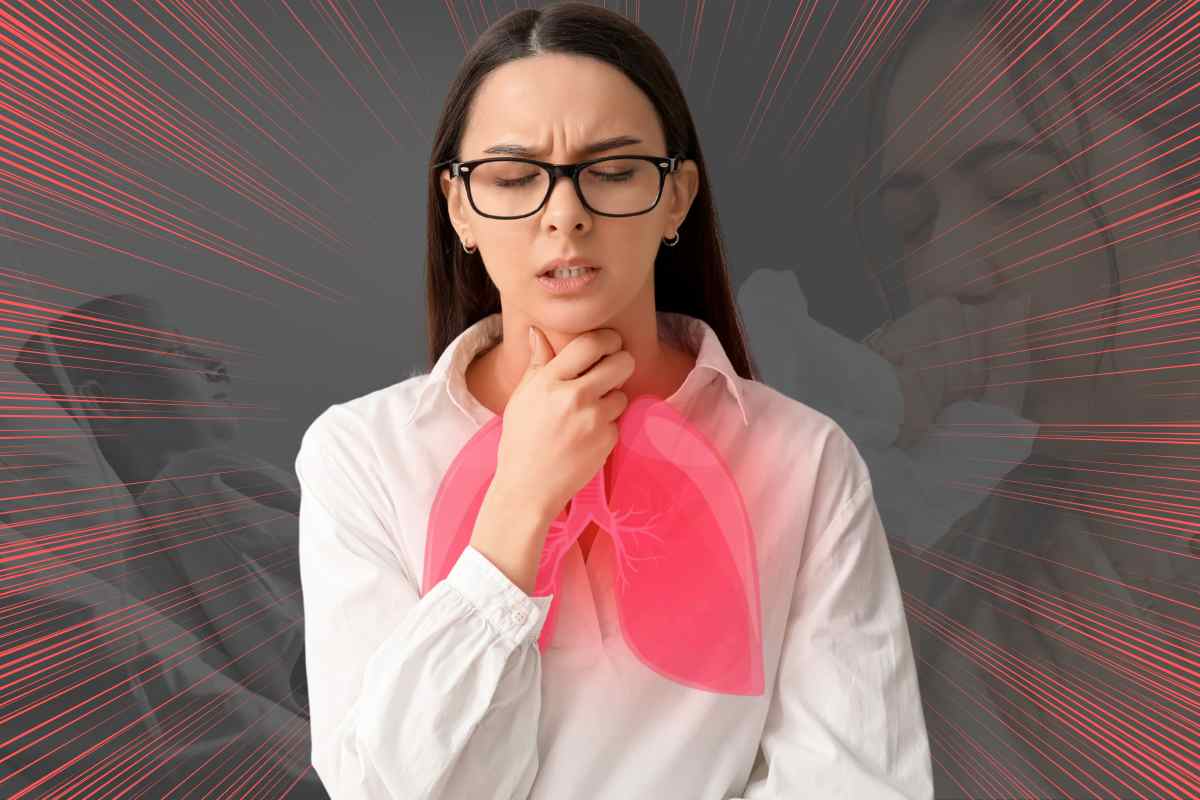
Globally, about 2.48 million people were diagnosed with lung cancer in 2022, and roughly 1.8 million died from it that same year. Lung cancer is one of the most common cancers, accounting for nearly one in every five cancer-related deaths worldwide.
And here’s a striking bit: in many places, over 90 % of lung cancer cases are caught at a late stage, when treatments are less effective.
Why toss those numbers at you so early? Because they remind us that this isn’t a rare, distant problem. It’s close. It’s big. And understanding it could literally save lives.
What Is Lung Cancer?
Lung cancer happens when cells in your lungs divide, making more of themselves when they shouldn’t. It is when cells start growing too start, not dying when they shouldn’t, and those uncontrollable growth creates masses that later interfere with the proper functioning of the organs. And when those tiny cells, the ones responsible for breathing life into your body, go rogue. And that’s when trouble begins.
You might not notice anything at first. Hence, the issues can stay in the body for a long time before the symptoms start popping out. That’s one of the major challenges with lung cancer.
Also read: Brandon Buckingham’s Health Battle and the Life He Built Online
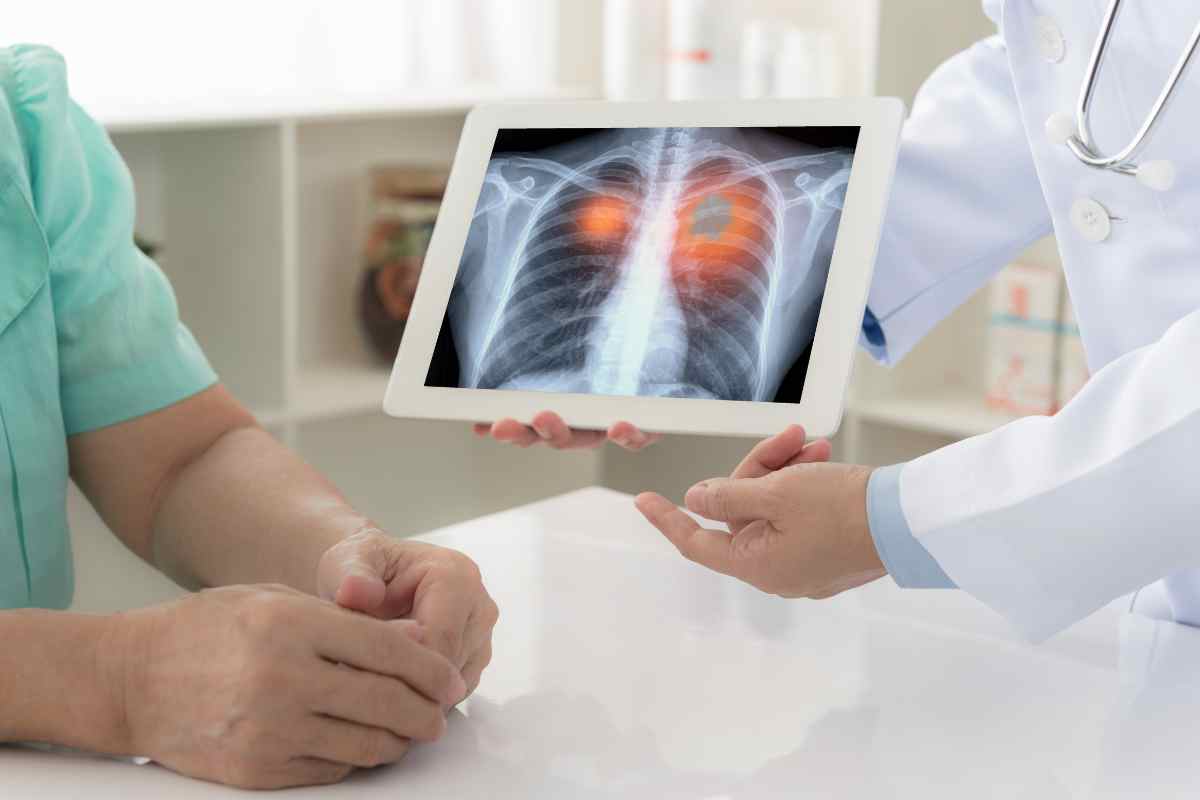
Types of Lung Cancer
Different types of cancers can affect the lungs, but they are categorized into two main categories:
1. Non-Small Cell Lung Cancer (NSCLC)
This is the most common type. In fact, it accounts for about 85 % of cases. Other subtypes under this include Adenocarcinoma, which is the most common, Squamous Cell Carcinoma, and Large Cell Carcinoma, which is less common.
2. Small Cell Lung Cancer (SCLC)
This type is less common. It’s about 15 % of cases, but it spreads more quickly and can be difficult to treat as compared to NSCLC.
Those two types are different, hence the type of cancer determines the treatment required.
Causes & Risk Factors
Here are some causes of lung cancer. While there are things you can control, some you can’t.
Smoking
Let’s be real. Smoking is still the biggest risk factor. Smoking cigarettes, cigars, pipes, whatever your preference, dramatically increases your chances of lung cancer.
Even if you’ve quit, your risk does go down over time. But the earlier you stop, the better.
Secondhand smoke also counts. So does vaping, especially if it leads to later cigarette use.
Air Pollution
While smoking is the main risk of lung cancer, there are about 20 percent of people who are said to have never smoked before. People who are exposed to air pollution are also at risk. Tiny particles in polluted air are capable of causing DNA damage, and this can lead to lung cancer.
News from global research suggests air pollution could be responsible for tens of thousands of lung cancer cases every year, especially in cities with heavy pollution.
Other Environmental Exposures
Radon gas (a naturally occurring radioactive gas), workplace toxins like asbestos, arsenic, and certain chemicals… all of these raise your risk.
Family History & Genetics
People who have a family history of lung cancer are also at risk.
What are the early signs and symptoms of lung cancer?
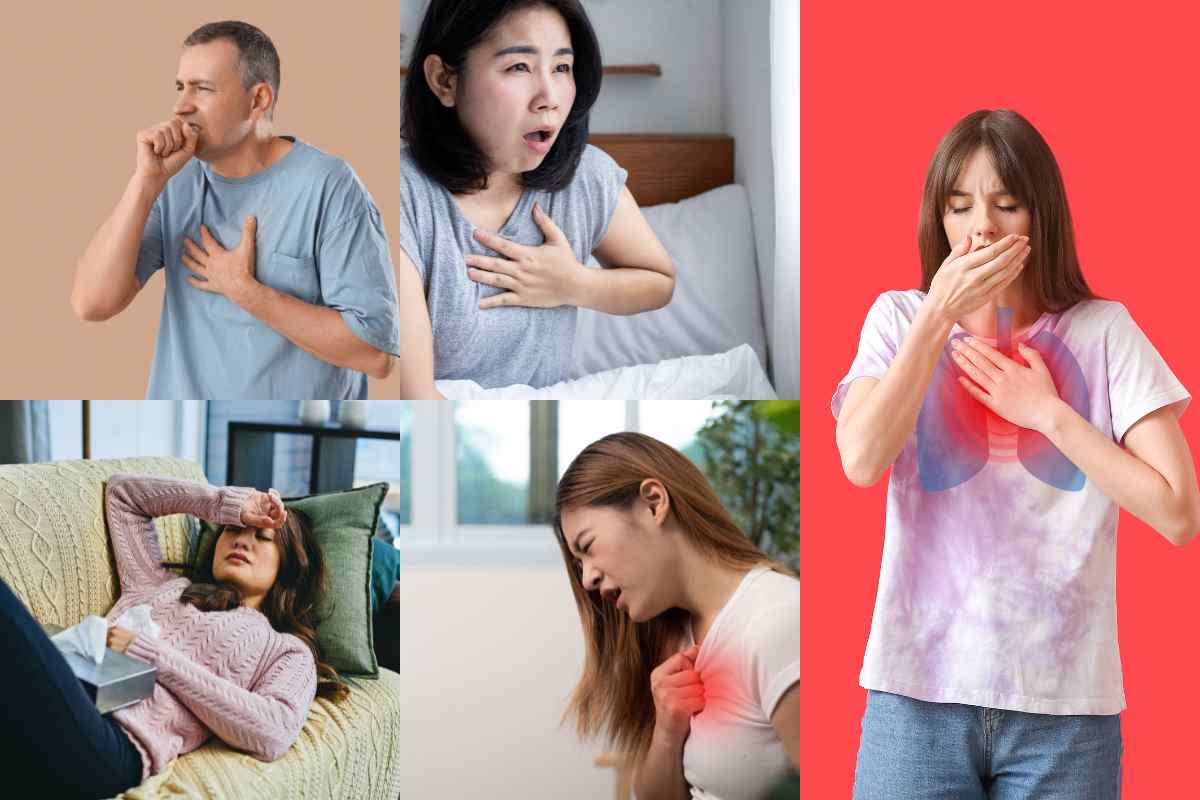
Here’s the tricky part: early lung cancer often has no symptoms. Silence. Nothing. That’s why many cases are diagnosed late.
But when symptoms start coming out, you might notice things like:
- A cough that won’t go away or even gets worse over time.
- Trouble breathing or shortness of breath.
- Chest pain or discomfort.
- Coughing up blood.
- Unexplained weight loss or loss of appetite.
- Feeling unusually tired or weak.
Some people get symptoms only when the cancer has spread. That’s part of why early detection is so essential and yet so difficult to achieve.
Stages of Lung Cancer (How Far Has It Spread?)
Doctors use “stages” to describe how advanced the cancer is:
Stage 0
Cancer cells are there, but they haven’t really invaded. Still early.
Stage I
Small tumors, not spread beyond the lung.
Stage II
Cancer is a bit bigger and may have reached nearby lymph nodes.
Stage III
Spreads into deeper lymph nodes or structures in the chest.
Stage IV
This is the tough one. Cancer has spread to other organs, including the brain, bones, liver, you name it.
Stage IV is often called metastatic lung cancer, and symptoms can suddenly escalate once organs beyond the lungs are involved.
Treatments, Options and What They Do
Treatment will depend on the type of lung cancer, how far it has spread, and other general factors.
Here are some main options:
Surgery
If it’s caught early before spreading, surgery can remove the tumor entirely.
Radiation Therapy
Radiation therapy uses high-energy beams to kill cancer cells. It can be used on its own or to boost the effectiveness of surgery.
Chemotherapy
Drugs that stop cancer cells from growing and dividing. Often used along with other treatments.
Targeted Therapy
There are some medications that can target the cancer cells, try to slow down the growth, or destroy them.
Immunotherapy
This helps your immune system see and fight cancer more effectively.
Palliative Care
Not necessarily to cure cancer, some therapies are used in managing symptoms and reducing pain.
Can Lung Cancer Be Prevented?
Since there are no sure causes of cancer, your best bet is to reduce the risk, and this includes:
- Don’t smoke. Ever.
- If you do smoke, quit now. Your risk starts dropping quickly.
- Avoid second hand smoke.
- Reduce exposure to radon and workplace carcinogens.
- Get screened early for lung cancer if you are at risk.
- Push for cleaner air. Seriously, air pollution is now a risk factor.
Also read: EU Rolls Out New Rules For Low-Carbon Hydrogen
Final Thoughts
If you are battling with lung cancer, you might feel scared and alone, but you don’t have to be. The more you detect early, the better. Talk to your healthcare provider for the right treatment.