Red Light Therapy for Hair Loss: How It Works and What to Expect Before You Start
Hair loss can be deeply personal. You are simply running your fingers through your hair only to discover some thinning areas you swear weren’t there a few months ago. It’s frustrating. It’s emotional. And it will leave you searching for solutions. This is where red light therapy comes in. This non-invasive treatment is gaining popularity for good reasons: treatment of hair loss.
Red light therapy isn’t just a hype. Even studies have shown that red light penetrates the skin and stimulates hair follicles. There has been a record of 35% increase in hair density, 37% increase in terminal hair count and up to 51% increase in hair growth as compared to women who used placebo. Hence, with consistency, this is one solution that can restore your hair density.
Here is everything you need to know about red light therapy for hair loss before getting started.
What Red Light Therapy Actually Is
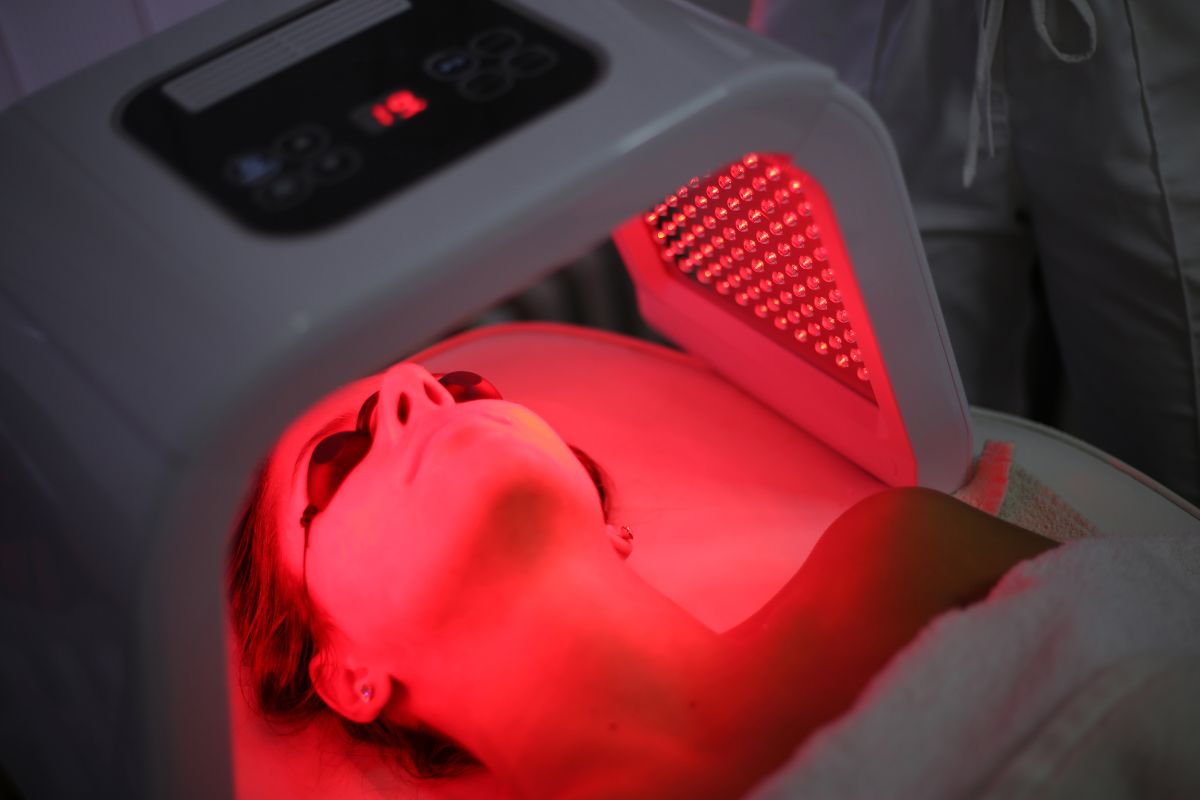
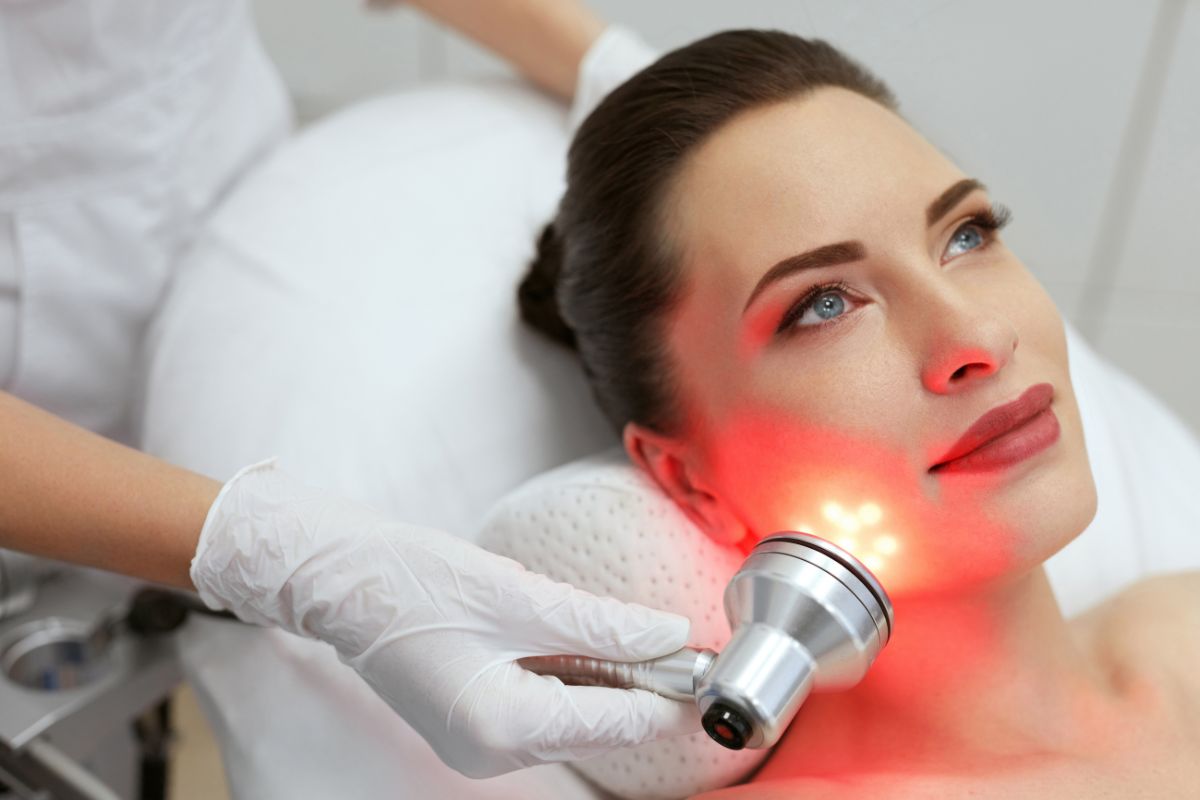
Red light therapy, sometimes called low-level light therapy, as the name suggests is the use of gentle red or near-infrared light at specific wavelengths to stimulate your scalp. It is not hot nor painful. Just light.
This type of light isn’t strong enough to burn your skin or heat anything up. Instead, it reaches the cells beneath your scalp and gives them a kind of energy boost.
The hair follicles respond to this boost by working more efficiently. Some people notice improved thickness. Others see new strands emerging from places that had gone quiet. And some simply appreciate that shedding slows down. All of these outcomes matter.
And here’s something interesting: it works whether you’re male or female. Plus, it can be done even at the comfort of your home.
Also read: Who is Jelly Roll?
What Are The Benefits of Red Light Therapy For Hair Loss
Here are the core benefits people experience (and yes, these have been supported in multiple clinical studies):
It helps “wake up” dormant hair follicles
You know those hairs that stopped growing but haven’t completely disappeared? Red light encourages them to re-enter a growth phase.
It improves blood flow in the scalp
More circulation means more oxygen… more nutrients… more life flowing to the follicles that need it.
It reduces inflammation
Inflamed follicles don’t grow well. Calm follicles do.
It thickens existing hair
Some people don’t get more hair, they get better hair. Stronger strands. Less breakage. More density.
And here’s something that surprises a lot of people: the benefits often show up gradually. Like watching a plant grow.
How Often To Use Red Light Therapy for Hair Growth?
Red light therapy for hair growth is not a one and done thing, it has to be used regularly in order to see results. Understand that there is also no health risk associated with overuse, hence it can be used as many times as you want.
However, a good rule of thumb is to use red light therapy 3 to 5 times a week, depending on the device you use. Experts recommend 20-30 minutes per session. Handheld devices may require moving the light around the scalp for full coverage. But the general rule? Just stay consistent.
Want to know how long to see changes? Here’s how long it can be:
In the first month, there might not be much difference. But you might notice less shedding. That’s already a win.
By month two or three, the shedding reduces and your hair feels a bit stronger.
By month four and beyond, new growth can start appearing.
When it comes to how long it takes, it all boils down on the overall health of your hair, the causes of hair loss and often you get treatment. Limited damage to hair follicles will see results faster than someone with late stage alopecia.
Is Red Light Therapy Safe?
Yes, it’s considered one of the safest hair-restoration methods available today. It’s non-invasive and painless. While some said they have no side effects, there can be minor side effects like mild scalp warmth from the device’s LEDs which is normal. There can also be itchiness, acne or even initial hair shedding. These effects are temporary and there are no adverse ones.
Is it safe for long-term use? Yes, absolutely.
Is it safe for sensitive scalps? Typically, yes.
Is it safer than using harsh topical solutions or taking tablets with potential side effects? For many people, yes.
Of course, if you have a medical condition that affects your scalp or skin, you can talk to your healthcare provider first.
Does Red Light Therapy Work for Everyone?
One thing is people might respond to it differently.
Some people notice amazing growth. Some notice moderate improvements. Some see subtle changes that still feel meaningful.
And yes, a small group sees very little change at all.
It depends on:
- how early you start (earlier is better)
- what type of hair loss you have
- your consistency
- your general scalp health
- and even genetics
Think of it like watering a plant. Some plants spring back quickly. Others take time. And a few, despite your best care, won’t respond the way you want. But the beauty of red light therapy is that it’s gentle, simple, and worth trying because the chance of improvement is genuinely there.
Other Things to Know Before You Start
The quality of the devices used is also important. The wavelength, the strength, and the coverage all influence the results. Most effective devices use wavelengths between 630 nm and 700 nm for deeper stimulation.
And while red light therapy is effective on its own, you can combine with other things for faster, optimal results. Consider a healthy scalp routine, use gentle shampoos, eat a well balanced diet and reduce stress.
Also read: The Best Basketball Shoes of All Time
Final Thoughts
Red light therapy is not a quick fix and it takes time. It is one of the most promising, user-friendly ways to tackle hair loss. Hence, if you are looking for a safe, research backed method for a thicker, healthier hair, red light therapy is worth considering.