You’re Already Using Autonomous AI Agents—Here’s How They’re Helping You Every Day

A personal digital assistant that helps you place orders, clean your workspace, recommend interesting movies, and AI agents are out of sci-fi movies. You are already interacting with them every day.
A digital overlord making cold, calculated decisions. But these aren’t rogue robots. Think of them instead as your most tireless, personalised assistant. They’re software programs that can perceive their environment, make a decision, and act on it without you having to click a single button.
And the best part? You probably don’t even notice them, which is kind of the point.
So, What Are These ” AI Agents” Actually Doing?
It’s like having assistants in your corner who are incredibly good at a specific task. One is a wizard with your calendar. Another is a shopping savant who knows exactly what you need before you do. Another handles all your boring paperwork. The good thing is, these agents are available 24/7, never get tired, and only exist on your devices.
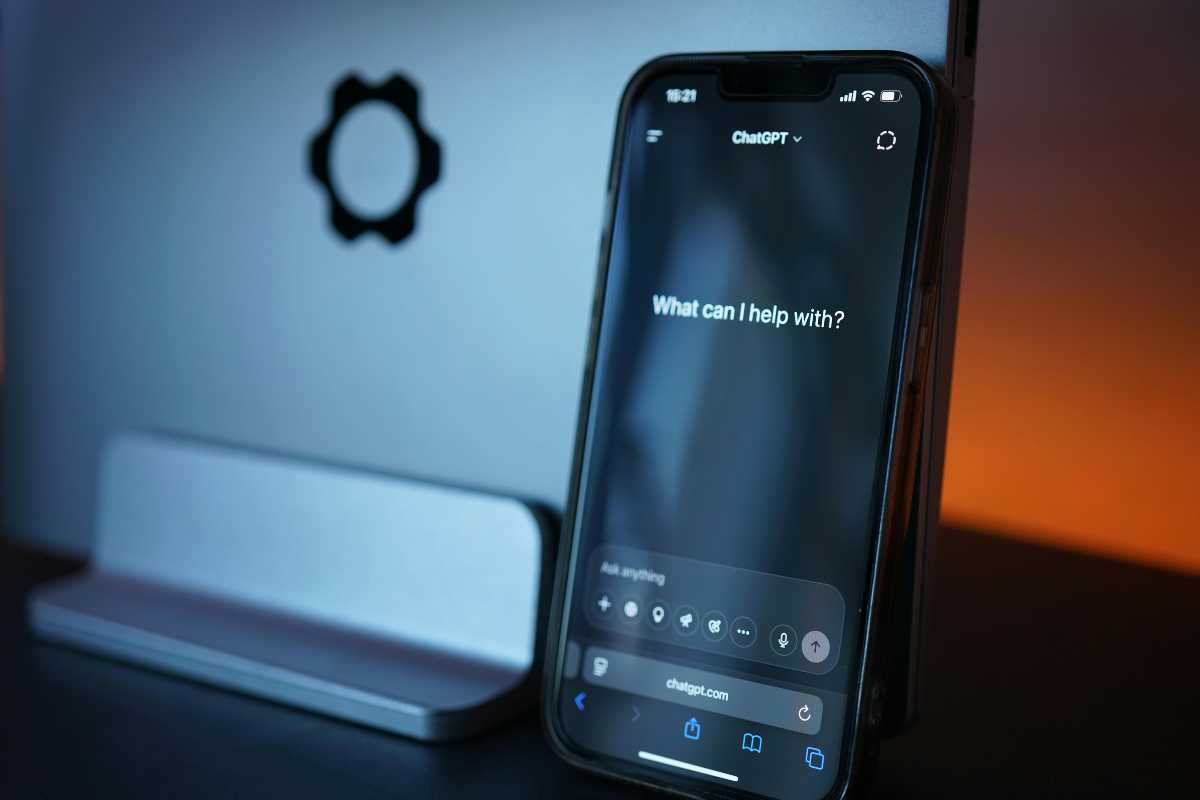
They just don’t answer questions like ChatGPT, which creates text and images based on prompts; they do things. Instead of reacting to a prompt or command:
Instead of reacting to a single command, they:
Understand a goal
Make decisions on their own
Take action
Adjust when things change
For instance, you don’t say, “Book flight, compare prices, check dates, send reminder.”
You say, “Plan my trip,” and the agent handles it without hassle, from researching destinations to booking flights and hotels, and you do not have to spend hours across different search engines looking for the best hotel and flight deals. AI agents carry out tasks without constant supervision.
Also read: Billie Eilish’s Net Worth: How a 23-Year-Old Built a $50M Empire.
Autonomous AI in Everyday Life
Let’s walk through the different areas where they’re quietly reshaping everyday life.
1. Your Home is Getting a Brain
The “smart home” meant clapping for lights? That was child’s play. Today’s AI agents are the concierges of your castle.
- They’re Anticipating: Your thermostat isn’t just on a schedule. An agent notices you’re away for a weekend and goes into an energy-saving deep sleep, then wakes up just before you’re due back.
- The Kitchen That Knows You: Your fridge agent sees you’re low on milk, cross-referencing that with your calendar (you have guests coming Friday), and adding not just milk, but also eggs to your grocery order. It suggests a dinner recipe based on what’s about to expire. Its thoughtfulness is commendable.
Announced in 2025, Alexa is taking the game to the next level with Alexa+. This system is evolving from voice-command tools into these predictive agents. Without being told, it can proactively carry out tasks, manage multiple smart home devices, manage your schedule, and much more.
Also read: Does Harrison Ford Really Have Parkinson’s Disease?
2. Your Health Gets a 24/7 Guardian Angel
This is where it gets personal and powerful. We’re moving from “tracking” data to having an AI agent that interprets it for you.
- The Watch: Your fitness tracker agent doesn’t just count steps. It analyses your heart rate variability, sleep patterns, and activity levels. It notices a subtle, consistent elevation in your resting heart rate and suggests, “Hey, you might be fighting something off. It can spot potential atrial fibrillation and urge you to see a doctor.
- A Personal Health Coach: For someone with diabetes, an agent can analyse glucose monitor data, food logs, and activity to predict blood sugar dips and spikes, offering real-time, personalised advice. It’s like having a medical expert in your pocket, every single minute of the day.
It’s proactive healthcare. It shifts us from treating illness to maintaining wellness.
3. Your To-Do List is Secretly Doing Itself
The mental load of modern life is real. Having to pay bills, renew licenses, book appointments… It’s exhausting. Enter the administrative agent.
- Your Digital Personal Assistant: An agent can scan your email for bills, pay them automatically from approved accounts, and file the receipts. It can read a text like “Let’s meet for coffee next Tuesday” and not just suggest adding it to your calendar, but book the slot, find a midpoint location, and send a confirmation—all after a simple “Yes” from you.
- Travel, Simplified: Planning a trip? Instead of you searching across ten tabs, an agent can be told, “Book a beach vacation for the family in July under $3000.” It will scour flights, hotels, and rental cars, compare reviews, and present you with three solid, optimised options. You just choose the vibe.
It’s a relief, not about laziness. It’s about cognitive offloading. Freeing up your brainspace from mundane tasks means more energy for your creative work, your family, or just… peace.

Also read: The Shoe Trends Everyone Will Wear in 2026 (Comfort Finally Wins)
The Real Challenges
While there are a lot of benefits AI agents offer, they also come with real questions we can’t ignore.
- The “Black Box” Problem: Sometimes, an agent can deny a loan application or diagnose a potential health issues and you might not know why. Transparency is important.
- Privacy & The Data Dilemma: For an agent to know you this well, it needs data. A lot of it. Who owns that data? How is it protected? The trade-off between hyper-personalisation and privacy is the tightrope we’re all walking. You have to trust the company behind the agent.
- Bias in the Machine: An agent learns from existing data. If our world has biases (and it does), the AI can amplify them. How to ensure agents are unbiased is still a challenge for developers.
- The “De-Skilling” Fear: If my agent handles all my scheduling, finances, and planning… do I lose those skills myself? It’s a valid concern. The key is to see AI agents as tools that make life easier, handling mundane or tedious tasks while we focus on putting our creativity and strategy to good use.
Also read: How Old Is Peni Parker in Marvel Rivals? The Age Debate Finally Explained
The Future is Already Here (And It’s Helping)
Look, this isn’t a distant future concept. It’s unfolding now.
- That customer service chat that actually solved your problem without transferring you? Likely an advanced agent.
- The Netflix recommendation that nailed your mood tonight? That’s a primitive form of one.
- The email filter that kept a crucial receipt out of your spam folder? The agent works.
Autonomous AI agents aren’t coming. They’re here.
They’re blending into daily life so smoothly that soon, we won’t think of them as “AI” at all. They’ll just be how things work. The aim is to help you, handing you back the one thing you can never get more of: your time and your attention. So you can spend less mental energy on managing your life, and more on actually living it. And after the last few years we’ve had, we could all use a little more of that.