Digital Detox Benefits for Modern Life: Why Unplugging Matters
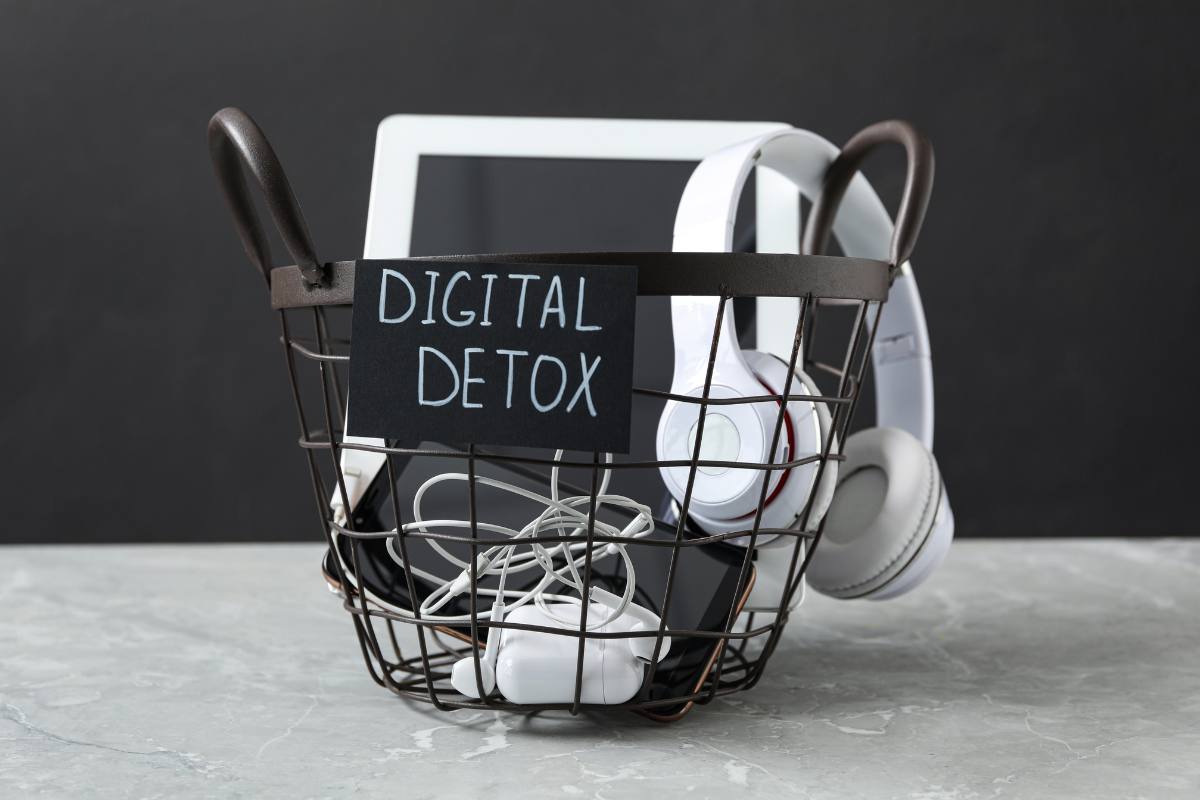
The truth is, you have gotten attached to your screens more than you can admit.
The first thing you do in the morning is to check your phone. Respond to messages, check your emails, scroll on social media, and it doesn’t stop there. From work laptops to streaming platforms to endless scrolling at night, screens are everywhere. The digital world never sleeps, and it seeks to consume us.
And as much as these devices keep us entertained, informed, and connected, we sometimes need to take a break. The body and soul needs some break from the digital world. And that is why we provided this guide to help you understand what digital detox means, how to detox, and how to know if you need one.
What Is a Digital Detox?
A digital detox is a time when you intentionally step away from screen usage, whether laptops, phones, gaming consoles, or even TV. It’s like a gateway from the screen. It doesn’t mean you should throw your gadgets away; you are only stepping out for a while to create healthy boundaries between you and technology.
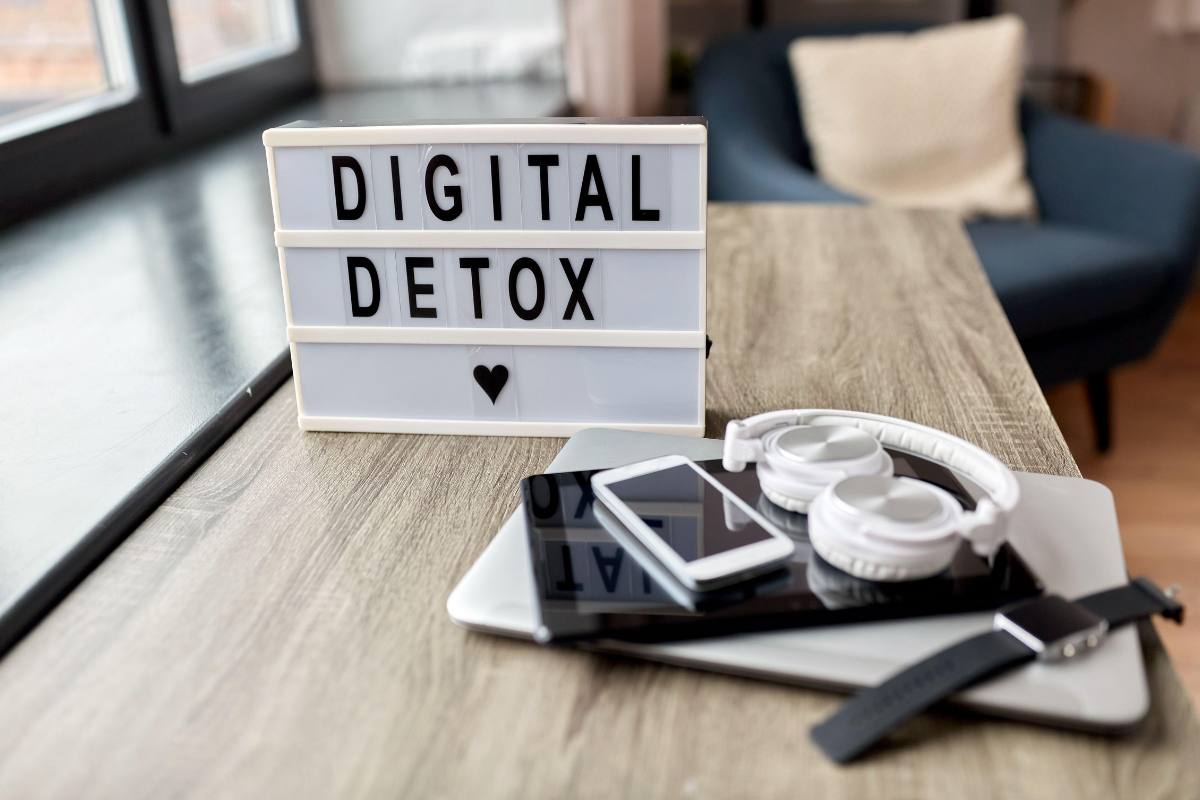
The average adult spends several hours a day on their phone alone. Add work screens and entertainment screens, and it’s easy to spend 8–12 hours staring at a glowing rectangle.
That’s not how our brains were designed to live.
ALSO READ: Tobey Maguire Trends After Super Bowl Appearance Sparks Dating Rumors
Why Modern Life Makes Digital Detox So Important
We live in an always-connected world. Messages are instant. News is constant. Social media never sleeps. Work emails arrive at midnight. There’s no natural “off switch.”

And that constant stimulation slowly chips away at our focus, our sleep, our relationships, and even our mental health.
You may not notice it immediately. But you feel it. The fatigue. The anxiety. The short attention span. The difficulty is sitting still without reaching for your phone. That’s digital overload.
ALSO READ: 12 Productivity Tips for Business Owners to Work Smarter and Grow Faster
The Benefits of a Digital Detox
What actually happens when you unplug?

1. Improved Mental Clarity and Focus
When you reduce screen time, something surprising happens. Your brain slows down, and you can focus and take note of the minute details.
The point is you’re no longer jumping between apps, messages, and notifications every few minutes. Your mind has space to think and even to think deeply.
People who take even short digital breaks often report:
- Better concentration
- Stronger memory
- More creativity
- Clearer thinking
When you’re not constantly reacting to alerts, you become proactive again.
ALSO READ: Entrepreneurship The Driving Force Behind Economic Growth and Innovation
2. Reduced Stress and Anxiety
Do you know that constant notifications can trigger stress responses in your body? Several studies have associated high screen time with anxiety, depression, and stress. Every buzz pulls your attention away and directs you to phones and that can cause stress. Not only that, there is social media that causes you to compare your life with people you have never seen before. It also promotes FOMO(fear of missing out) and information overload. All these can contribute to stress and anxiety.
When you step away, you might notice:
- Fewer anxious thoughts
- Less pressure to respond instantly
- More emotional stability
3. Better Sleep Quality
The blue light from screens can interfere with melatonin, the hormone that helps you sleep. It can make your brain think it’s daytime, which makes it active.
You’ve probably promised yourself you will be using it for five minutes, and an hour later, you are still scrolling on TikTok.
A digital detox, especially at night, can:
- Help you fall asleep faster
- Improve sleep depth
- Reduce midnight wake-ups
And better sleep improves everything, including mood, energy, focus, and even skin health.
ALSO READ: Healthy Eating Habits That Actually Work for Real Life
4. Stronger Relationships
You can sit next to someone and still not really be with them. Phones at dinner tables. Scrolling during conversations. You will be half-listening and still be checking notifications.
When you detox from digital distractions, it will help you to connect deeply with people.
Eye contact improves. Conversations deepen, and there will be a lot of laughter.
And those small changes rebuild connections in ways you didn’t realize were missing.
5. Increased Productivity
Switching between apps, emails, and messages reduces productivity and increases mistakes. With every interruption, there is mental energy.
When you limit screen distractions:
- You finish tasks faster
- You make fewer errors
- You feel more accomplished
What better way to boost productivity?
ALSO READ: Guy Willison The Mastermind Turning Motorcycles Into Timeless Art
6. Better Physical Health
Extended screen use often means:
- Poor posture
- Neck and back pain
- Eye strain
- Reduced physical activity
A digital detox encourages movement. You might go for a walk instead of scrolling. You might stretch. You might even pick up a hobby. And these small changes make a huge difference.
7. Rediscovering Offline Joy
This might be the most beautiful benefit.
When you unplug, boredom returns, and this is not bad. It’s where creativity lives. It’s where imagination starts. It’s where you reconnect with hobbies you forgot you loved.
Reading a physical book. Cooking slowly. Journaling. Having uninterrupted thoughts. You get to connect to who you are before screens interrupted.
ALSO READ: Who Won the Most Grammys in 2026?
How to Do a Digital Detox
You don’t need to disappear for a month or throw your phone away. Start small.
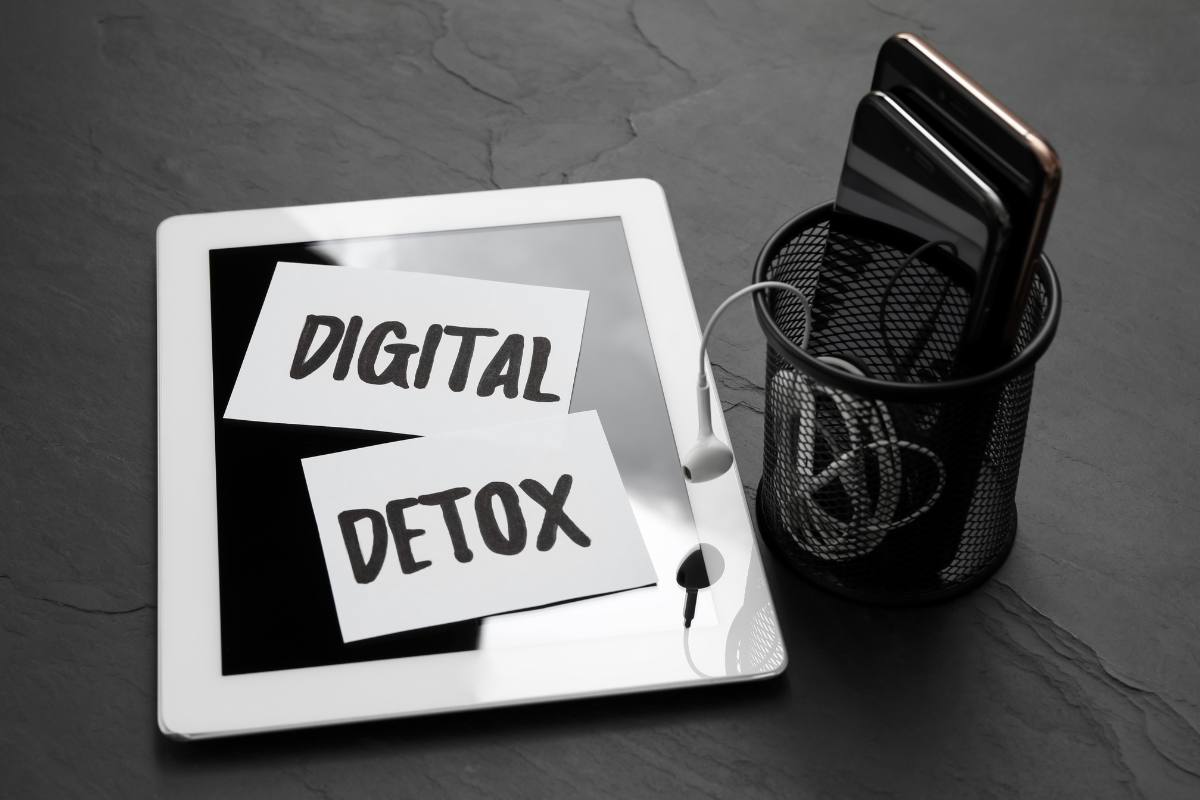
1. Set Clear Intentions
Ask yourself:
- Why do I want to detox?
- What feels overwhelming?
- When do I feel most drained?
Clarity helps you stay committed.
2. Start with a Nighttime Detox
This is the easiest entry point. Try:
- No screens 1 hour before bed
- Charging your phone outside your bedroom
- Using a real alarm clock
You’ll likely notice improvements within days.
3. Create Screen-Free Zones
Designate certain areas as tech-free:
- Dining table
- Bedroom
- Bathroom
This creates natural boundaries without feeling restrictive.
4. Schedule Digital Breaks During the Day
Try the “focus block” method:
- 45 minutes focused work
- 10–15 minute break (without screens if possible)
Even short breaks reduce mental fatigue.
5. Turn Off Non-Essential Notifications
Most notifications aren’t urgent.
Disable:
- Social media alerts
- Promotional emails
- News notifications
Keep only what’s truly necessary.
Your phone should serve you, not control you.
6. Plan an Offline Activity
If you remove screen time without replacing it, you’ll feel restless.
Plan something:
- Go for a walk
- Exercise
- Call a friend
- Start a hobby
- Read a book
Give your brain something meaningful to enjoy.
7. Try a Full 24-Hour Digital Detox
Once you’re comfortable, attempt a full day offline.
Let people know in advance if needed.
The first few hours might feel strange.
Then something shifts.
You feel lighter. Slower. More grounded.
ALSO READ: Fresh Olives vs Edible Olives: Why You Can’t Eat Olives Straight From the Tree
Signs You Might Need a Digital Detox
You might benefit from unplugging if:
- You check your phone first thing every morning
- You feel anxious without your device
- You struggle to focus on one task
- You scroll late into the night
- You compare yourself constantly on social media
- You feel mentally exhausted without a clear reason
If several of those sound familiar, it might be time to detox.
ALSO READ: Slow Mornings vs Hustle Culture: Choosing Peace Without Losing Ambition
Common Myths About Digital Detox
Let’s clear a few things up.
Myth 1: You have to quit social media forever. Not true. The goal is balance.
Myth 2: It will hurt your productivity. Actually, it often improves it.
Myth 3: It’s only for people with serious tech addiction. Nope. Everyone can benefit from boundaries.
Making Digital Detox a Lifestyle
The real transformation happens when you don’t just detox once.
Instead, you build habits:
- Tech-free mornings
- Screen-free meals
- Weekly offline evenings
- Monthly full detox days
This will become normal to you. Then, you start using technology more intentionally. You scroll less mindlessly. You post less for validation. You consume more consciously.
ALSO READ: Why We Love Watching Content More Than Creating It
Final Thoughts: Why Digital Detox Is Essential in Modern Life
We can’t escape technology. It’s part of us: work, communication, and entertainment.
But we can control how much access it has to our time and attention. It’s about waking up without reaching for a screen. Sleeping without endless scrolling. Talking without interruption. Thinking without distraction. This modern life may be digital. But you’re human. And sometimes, the most productive thing you can do is to unplug.