Love Island All Stars: Why This Reality Show Is Really a Business Power Play
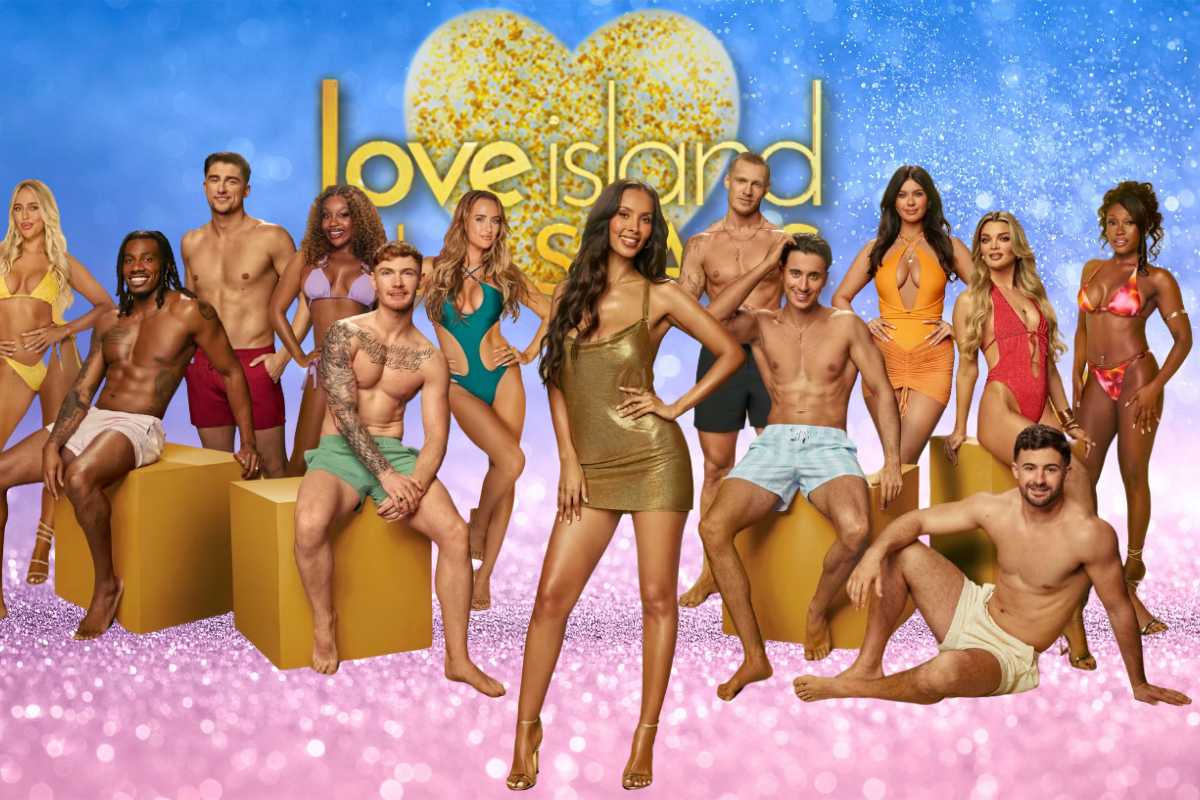
When Love Island All Stars first hit screens, many were excited about a reality show where “people squabble in swimwear.”
But if you look past the flirting, the fire-pit speeches, and the messy recouplings, you will discover something more smart, that is, the business behind it.
Love Island All Stars isn’t just about finding love. It’s way more about business, whether for the show, for the contestants, and yes, even for the brands ready to invest a lot of money for their business gains.
Let’s explore all the details on the business logic behind Love Island All Stars.
So What Is Love Island All Stars, Really?
Love Island All Stars involves familiar faces from past seasons of Love Island coming back to try again. Only this time, it’s marketed as a spin-off where the “best” or most talked about Islanders get a second chance.

However, All Stars isn’t run like the original show’s typical fresh-face casting. Instead, it uses personalities who already have followers, voices, and commercial value.
This means the show starts with built-in audience interest, and that’s a very shrewd bit of business logic.
Also read: The Highest Vertical Leap Ever Seen in an NBA Game: Myth, Measure, and Moments.
There were huge Ratings at first
The original seasons of Love Island were huge. Massive. But over time, even the most successful shows can plateau as viewers expect bigger twists, the conversation online starts repeating itself, and audiences want something different.
Ratings were dipping. Viewers complained about predictability. Social media buzz wasn’t hitting like it used to. And launching brand-new contestants every season comes with risk, as some connect and some don’t.
So ITV did what smart businesses do when growth slows. They leveraged existing assets.
Instead of spending millions marketing unknown Islanders, they brought back people viewers already had opinions about.
Hence, why build hype from scratch when nostalgia does the work for you? And there is a buzz already. Critics on Reddit and Twitter have definitely noticed, and they are excited. It feels more like “People We’ve Seen Before, Forgotten About, and Now After More TV Time.”
This is a smart business move as seeing familiar faces will drive viewership and, of course, revenue.
Also read: Why American Skincare Trends Don’t Work in the UK Climate
The contestant earned a lot
Contestants on the original island used to be paid around £2,000 per week. That was already great, but nothing compared to the income they would later make from social media and brand collaborations.
With All Stars, those weekly cheques have reportedly doubled, because ITV knows these returning Islanders bring value. They bring followers, they bring attention, they boost marketing reach without spending millions.
Still, not everyone is thrilled with the offers. One former Islander, Tyrique Hyde, publicly turned down an offer to return, saying a reported £3,500 per week “wasn’t enough.” He said it didn’t make sense to be asked to be entertaining for that amount.
This is to tell you these aren’t just cast members. They are business people with expectations.
The Real Money Is After the Show
It is important to know that most Islanders won’t get rich just from the paycheque they earn on the show. The real money is what happens after:
Brand deals
This is huge. A former Love Island star like Molly-Mae Hague can charge tens of thousands for a single sponsored Instagram post. Business Insider reported that her follower growth and deal pipeline could command very high fees.
View this post on Instagram
Some Islanders get:
- Long-term fashion ambassadorships
- Collaborations with beauty brands
- Podcast gigs
- Hosting work
- Product lines
- Fashion and lifestyle brands
Also read: 5 Science-Backed Wellness Trends for 2026 That Actually Work
Business Ventures
Some Islanders don’t just promote stuff; they own businesses, even though not all of them are thriving.
According to a recent breakdown, several All-Star cast members’ businesses are actually struggling behind the scenes. For example:
- Jess Harding’s Candy Aesthetics, which she set up in 2023, reportedly had only £311 in reserves as of mid-2025.
- Charlie Frederick’s fitness company was in debt and at risk of being struck off because of missing filings.
- Whitney Adebayo’s wig and hair-brand business, which began while she was at university, was reported to be in debt and with overdue accounts.
- Sean Stone’s confectionery firm had small reserves and substantial creditors.
- Leanne Amaning’s former cosmetics and events businesses had been struck off due to dormant accounts.
That shows that fame doesn’t automatically translate to sustainable business success.
So All Stars can actually be a lifeline, whether financially or reputation-boosting for some of these people.
Did Alumni Return For Love or Strategy?
When contestants say they’re coming back for love, many say that might be far from the truth, and that’s not surprising. Many viewers and insiders alike believe the real reason to go back isn’t romance, it’s a career reset.
Some want:
- More followers
- More brand deals
- A bigger platform
- New opportunities
Take Konnor, for example, one recent report says his return to All Stars wasn’t really about love, but about boosting his music career and building momentum for new creative work.
Tanyel Revan also told the BBC that:
“One thing about this industry that people have to remember is that if you don’t maintain it 24/7, which is very hard because it is a bit of a fake lifestyle, you can easily be forgotten,” she tells the BBC.
“I think a lot of influencers go back on All Stars because they need to keep up and have that boost,” she explains.
Also read: Michael Strahan From NFL Legend to Media Mogul
Their Return Might Come With Risk
But here’s something interesting: being on the show again can help or hurt your career.
A PR expert told The Tab that returning can be a risky move and only a handful of contestants might actually turn it into serious career progress and big money afterwards. Some might just get a short-lived bump and then fade back into relative obscurity.
That risk comes from:
- Audiences are bored with certain personalities
- Criticism that All-Star casts aren’t true stars
- Reality TV reputations are quickly shifting
- Brands are being more cautious about who they work with
Some fans online even argue that calling it “All Stars” is misleading because the islanders in the villa aren’t the biggest names from the franchise. Many of the biggest success stories, like Molly-Mae Hague or Amber Gill, have either moved on or wouldn’t go back.
So if the goal is brand elevation, sometimes going back can feel like a step sideways rather than forward.
What All Stars Say About Reality TV Culture
At the end of the day, Love Island All Stars isn’t just TV. It’s a massive business machine.

Here’s a quick breakdown of what’s in store:
The Show Benefits
- Lower marketing cost (because audiences already know the faces)
- Higher ratings early on
- Stronger advertiser confidence
- Built-in social buzz
The Islanders Benefit
- Platform to build or rebuild careers
- Exposure to millions of viewers in multiple markets
- Potential for income far beyond their weekly pay cheque
The Brands Benefit
- Align with people who already have passionate audiences
- Generate social media campaigns with real reach
- Create multi-channel storytelling with celebrities audiences care about
But not everyone walks away laughing. Some Islanders still struggle financially, even after building a brand. And some find going back into the villa actually doesn’t help their careers the way they thought it might, and this makes it more interesting.
Also read: You’re Already Using Autonomous AI Agents—Here’s How They’re Helping You Every Day.
Love Isn’t the Point, Business Is
So if you watch Love Island All Stars and you think it’s all about love, you’re looking at it at face level.
Sure, romance and emotional arcs are the story, but underneath? There’s a strategy.
A business model that:
- Leverages nostalgia
- Reduces risk for broadcasters
- Generates premium ad revenue
- Creates post-show money for Islanders
And that’s not cynical. That’s just the world we live in now: entertainment is commerce.
People are content creators, businesses are personal brands, and all of it feeds on attention, exposure, and income. What more can we expect?