Fresh Olives vs Edible Olives: Why You Can’t Eat Olives Straight From the Tree
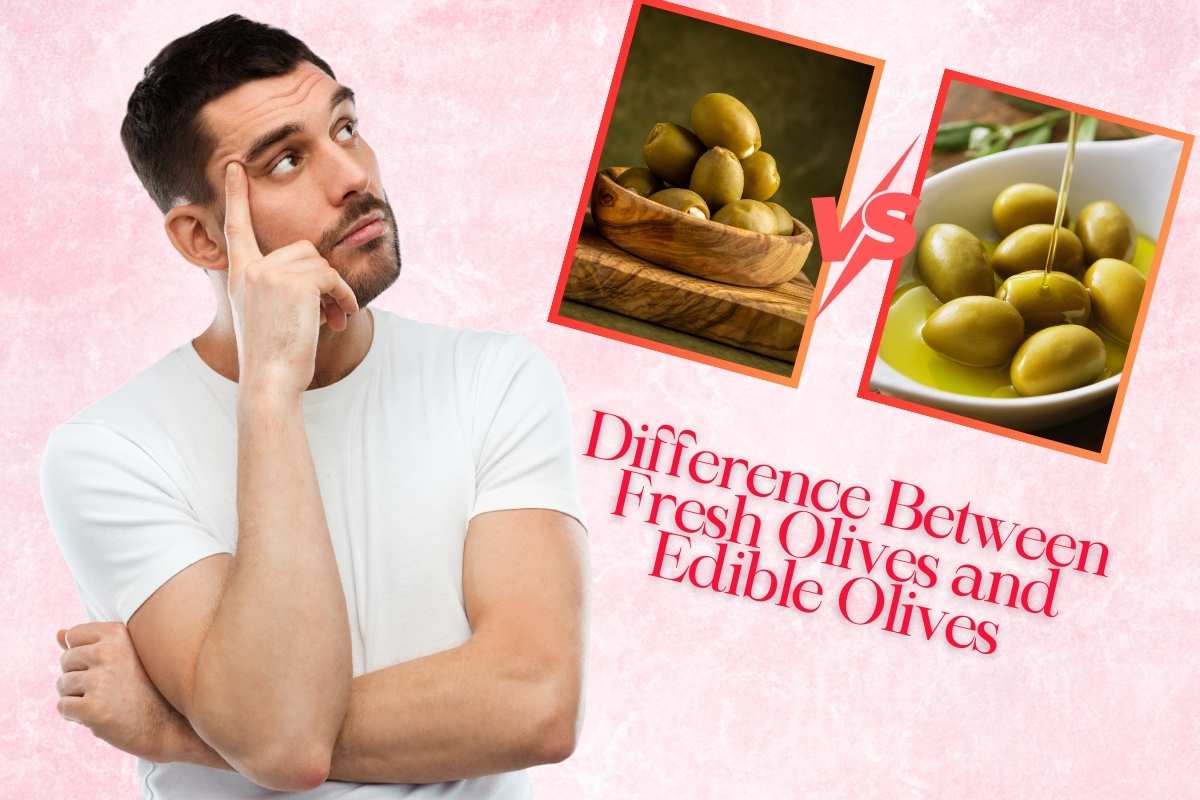
If you’ve ever plucked an olive straight off a tree or even seen a fresh one, you might have thought they are okay to eat. But it’s going to be an immediate regret.
The thing is, fresh olives are not meant to be eaten. Edible olives are fresh olives that have been cured, which is what makes them edible. Let’s look at the differences between fresh olives and edible olives, including what olives are, the health benefits, how many fresh olives are edible, and many more.
What Are Olives?
Olives are fruits, not vegetables. Yes! They’re stone fruits like cherries, peaches, and plums, and are considered drupe fruit or stone fruit.
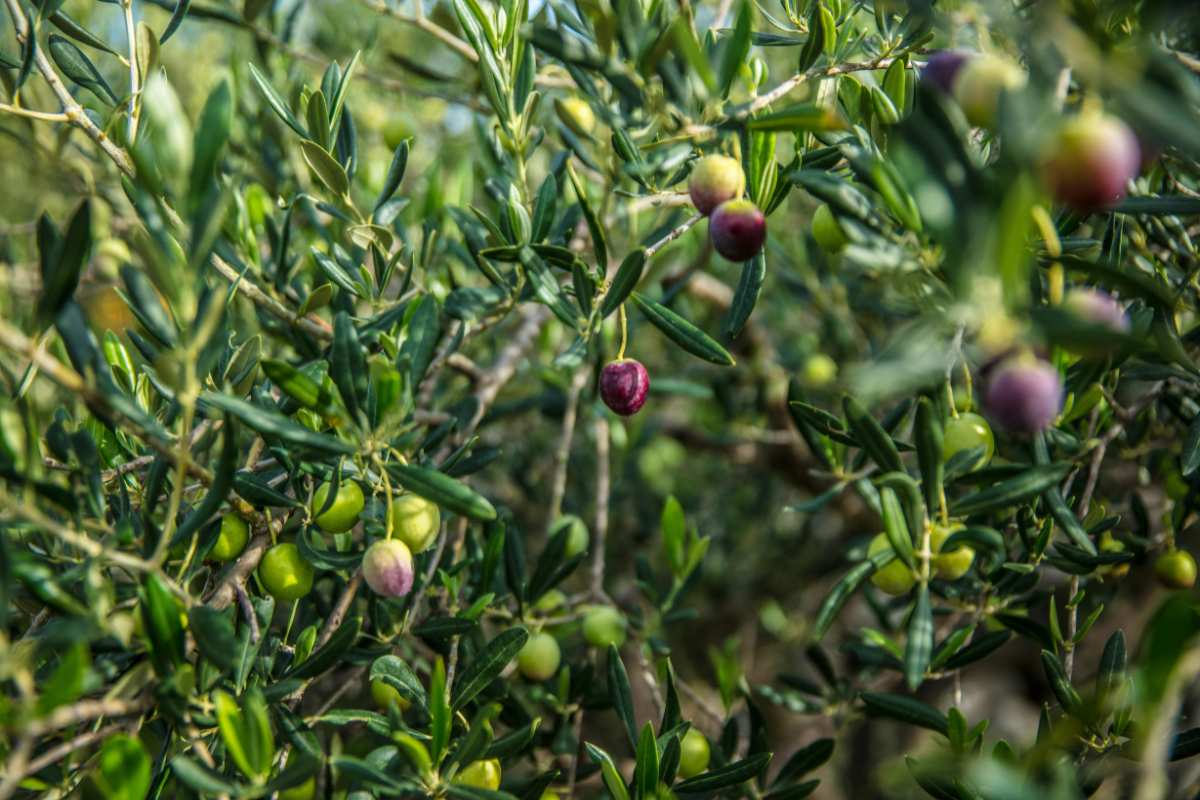
Olives grow on olive trees (Olea europaea), which have been cultivated for thousands of years, especially around the Mediterranean, the Middle East, and parts of Africa.
They come in wide varieties:
- Green olives
- Black olives
- Purple olives
- Brown olives
ALSO READ: Slow Mornings vs Hustle Culture: Choosing Peace Without Losing Ambition
Why You Can’t Eat Fresh Olives
Fresh olives that are straight from the tree are bitter. They are insanely bitter. We’re talking:
- Mouth-drying
- Tongue-offended
- “Why would anyone eat this?” bitter
The thing is, fresh olives contain a compound called oleuropein. And no, that bitterness isn’t a flaw. Oleuropein is extremely bitter, naturally occurring, and a great defense mechanism to stop animals from eating olives before the seeds are ready. This compound is the main reason fresh olives are inedible.
Can You Eat Fresh Olives at All?
Technically? You can. But practically, no one should be eating it. Although eating fresh olives won’t usually kill you, but:
- They’re unpleasant to eat
- They can upset your stomach
- They’re simply not designed for direct consumption
That’s why every edible olive you’ve ever enjoyed has been cured.
Edible Olives: Fresh Olives That Have Been Cured
Here’s where the magic happens.
Edible olives are fresh olives that have gone through a curing process to remove oleuropein and make them enjoyable and safe to eat. Curing olives is like a slow transformation from “inedible” to “irresistible.”
ALSO READ: Why We Love Watching Content More Than Creating It
How Olives Become Edible
There isn’t just one way to cure olives. Different cultures do it differently, and that’s why olives taste so wildly different around the world.
Common Olive Curing Methods
1. Brine Curing
- Olives are soaked in saltwater for weeks or months
- Slowly leaches out bitterness
- Results in a balanced, slightly salty olive
This is one of the most popular methods.
2. Dry Curing
- Olives are packed in salt
- They lose moisture and shrink
- Flavor becomes intense and chewy
Perfect if you like bold flavors.
3. Lye Curing
- Olives are soaked in a lye solution
- Bitterness is removed quickly
- Followed by repeated rinsing and brining
Fast, efficient, and commonly used in commercial production.
4. Water Curing
- Olives are soaked in plain water
- Water is changed daily
- Takes longer but preserves natural flavor
This method is often used at home.
ALSO READ: Love Island All Stars: Why This Reality Show Is Really a Business Power Play
The Main Differences Between Fresh Olives and Edible Olives
Major differences include:
1. Taste
Fresh olives are extremely bitter, unpleasant, and unpalatable. Edible olives can be savory, salty, or tangy. It is designed to be eaten.
2. Safety
Fresh olives contain high levels of oleuropein and can cause digestive discomfort. Edible olives are already properly processed, so they are safe to eat.
3. Processing
Fresh Olives are raw and untreated. Edible olives are cured using brine, salt, lye, or water and are sometimes fermented.
4. Shelf Life
Fresh olives can spoil quickly, while edible ones can last for months or even years. They have been preserved through curing.
5. Flavor Complexity
This is where edible olives shine. Curing allows olives to absorb herbs, develop umami notes, and pick up smoky, fruity, or buttery flavors. Fresh olives don’t stand a chance here.
ALSO READ: The Highest Vertical Leap Ever Seen in an NBA Game: Myth, Measure, and Moments
Are Green Olives and Black Olives Different Fruits?
This question comes up a lot.
And the answer is:
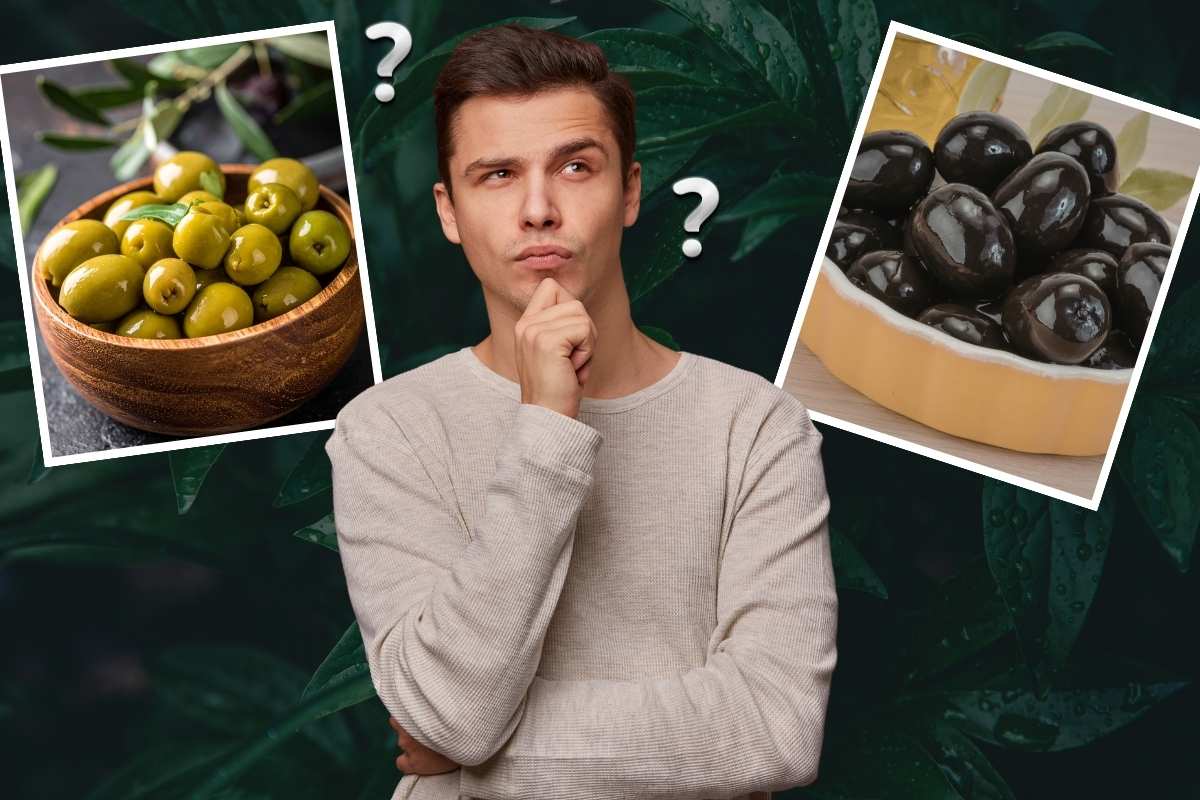
They usually come from the same tree. The difference is when they’re harvested and how they’re cured.
- Green olives are picked earlier
- Black olives are picked later when more ripe
But processing still matters more than color.
Some black olives, you buy? They’re sometimes green olives that were oxidized during processing.
ALSO READ: Why American Skincare Trends Don’t Work in the UK Climate
Health Benefits of Edible Olives
The good news is that olives are incredibly good for you. Key health benefits include:
1. Rich in Healthy Fats
Olives are packed with monounsaturated fats, which:
- Support heart health
- Help reduce bad cholesterol
- Support brain function
2. High in Antioxidants
Olives contain:
- Polyphenols
- Vitamin E
- Anti-inflammatory compounds
These help protect your cells from damage.
3. Support Digestive Health
Fermented olives contain beneficial bacteria that support gut health.
4. Anti-Inflammatory Properties
Regular olive consumption has been linked to reduced inflammation which is a big deal for long-term health.
5. Low-Carb and Filling
Olives are:
- Low in carbohydrates
- Satisfying
- A great snack if you’re watching blood sugar levels
Do Fresh Olives Have Health Benefits Too?
Yes. Fresh olives contain higher levels of oleuropein, which has antioxidant and antimicrobial properties. But the thing is the bitterness makes them impractical to consume. Plus, one can get enough benefits it has to offer without curing. Hence, edible olives strike the best balance between health and enjoyment.
ALSO READ: 5 Science-Backed Wellness Trends for 2026 That Actually Work
How to Tell If Olives Are Properly Cured
If you’re buying olives, look for:
- No harsh bitterness
- Balanced saltiness
- Pleasant aroma
- Firm but not rubbery texture
If they taste aggressively bitter? They weren’t cured properly.
FAQs About Fresh vs Edible Olives
Can you eat olives straight from the tree?
No. Fresh olives are extremely bitter and not meant to be eaten without curing.
Why are olives cured before eating?
To remove oleuropein, the compound responsible for bitterness, and make olives safe and enjoyable.
Are fresh olives poisonous?
They’re not poisonous, but they can cause stomach upset and are unpleasant to eat.
Are green olives healthier than black olives?
Nutritionally, they’re very similar. Differences mostly come from curing methods, not color.
Why do some olives taste more bitter than others?
It depends on:
- Olive variety
- Curing method
- Length of curing
Can you cure olives at home?
Yes! Many people cure olives at home using water or brine, it just takes patience.
ALSO READ: Michael Strahan From NFL Legend to Media Mogul
Final Thoughts
Fresh olives are raw potential. Edible olives are the finished product.
The difference between them isn’t just taste, it’s the process it has undergone, the time it takes and the deliciousness.