Why American Skincare Trends Don’t Work in the UK Climate
- 80-90% average humidity in the UK is much higher than in many parts of the U.S., creating unexpected effects on skin hydration and barrier function.
- 35% of UK skincare sales go toward products specifically formulated for dryness and dullness, which is a climate-driven need.
- Up to 80% of UV rays penetrate cloud cover, even in winter, meaning sun protection is still vital year-round.
- 77% of UK adults say standard skincare options fail to address seasonal skin stress (especially in summer).
This shows us that the climate in the UK is far different from most American environments, where many of the skincare products came from. This accounts for why American skincare is failing.
Are Those Trendy American Routines Working Here?
We are in a world of social media and YouTube where ‘skin influencers’ are growing big. American skincare is flooding the UK market, and it is dominating social media platforms. Brands like Drunk Elephant, Glow Recipe, and Caudalie are featured in “Get Ready With Me” (GRWM), from skincare hacks to skincare product reviews, and various trends are gaining traction. You will see stuff like
- Oil-control serums designed for dry-free Southern California sun.
- Heavy layering routines with 9+ products.
- Over-exfoliation “to keep pores clean.”
- Sun protection only on “sunny days”.
The question is, are these trends suitable for the UK climate?
Also read: 5 Science-Backed Wellness Trends for 2026 That Actually Work
First: The UK Climate Is Just Different
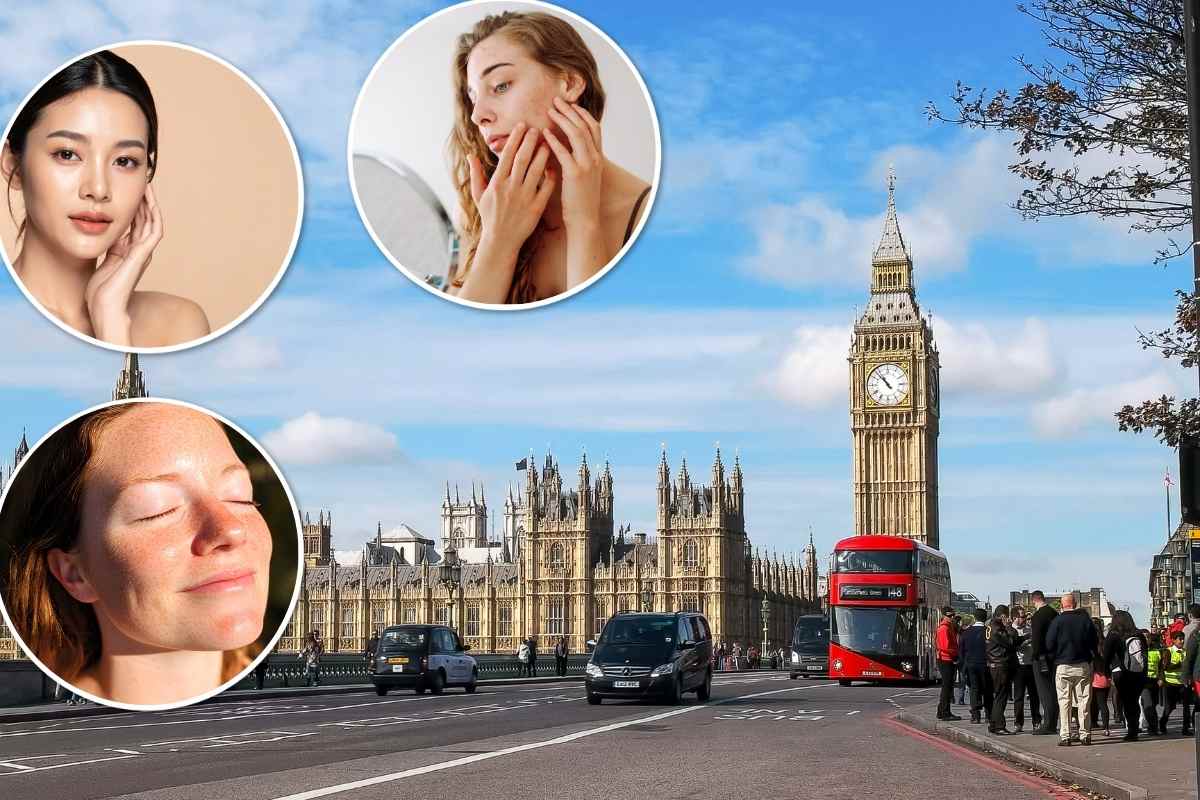
Unlike large swaths of the U.S. (which has everything from desert to sub-tropical weather), the UK has a climate that’s:
Cold and Damp in Winter
Rain, wind, fog, and indoor heating all combine to suck moisture out of skin while leaving ambient humidity confusingly high. You feel moisture in the air, but your skin still gets dehydrated.
Temperamental Spring & Autumn
Temperature swings of up to 15°C in a single day are pretty common here, and that inconsistency is a shock to the skin barrier.
A “Camouflaged” Sun
Although there are a lot of days that look grey, UV rays are still there. In fact, 80% of UV rays go right through overcast skies.
Add in wind off the Atlantic and unpredictable temperature swings, and suddenly your skin is constantly being stressed.
Research has shown that skin conditions get worse in summer. The UV exposure, pollution, allergens, and the pressure to expose sole skins for hot summer bodies all contributed to these skin issues.
Also read: Michael Strahan From NFL Legend to Media Mogul
Why Do American Skincare Trends Trip Up Here?
Trend #1: Heavy, Occlusive Products
In dry-heat environments like Phoenix and Las Vegas, thick layers of occlusive balms make sense because they lock moisture in. But in the UK’s moist, often chilly air, these can:
- Trap humidity against your skin
- Promote bacterial growth
- Lead to congestion and breakouts
That’s right. A product designed for desert heat can backfire when humidity never leaves your hair. That is why millions of people are struggling with skin conditions in the UK.
Trend #2: “Double Cleanse Every Night, No Exceptions!”
American skincare culture loves a good double cleanse, especially if you wear makeup or SPF. But in a climate where dryness and barrier disruption are common, aggressive routines can strip too much of your natural moisture, leaving skin tight, red, and angry.
Sometimes, less really is more.
Trend #3: Sun Protection Only on Sunshine Days
This one might be the biggest misstep.
A ton of American advice still treats sunscreen like it’s optional. It’s nice when it’s sunny, skip it when it’s not.
However, UV rays can damage skin even on cloudy days. UK residents are exposed to UVA 365 days a year, even while commuting through drizzle.
So that summer-only SPF habit? It’s just not cutting it here.
Trend #4: Oil-Control First, Hydration Second
Look, controlling oil makes sense in high-heat, high-UV places. But in the UK?
- High humidity can increase oil retention
- Wind and indoor heating strip natural oils
- Skin ends up confused: both oily and dehydrated
Not exactly what you want. Because skin can be oily and dehydrated at the same time.
Also read: You’re Already Using Autonomous AI Agents—Here’s How They’re Helping You Every Day
Climate and lifestyle don’t help
We can talk about products all day, but how about the environment?
Indoor Heating and Outdoor Dampness
British homes get very dry on the inside in winter because central heating drives humidity down, even if the air outside is relatively moist.
So your skin is getting hit by:
- Cold, damp air outside
- Dry, heated air inside
- Temperature swings in between
Each transition stresses your skin’s barrier, including the thin protective layer that keeps moisture in and irritants out.
When that barrier is compromised, you get:
- Dryness
- Sensitivity
- Redness
- Flare-ups (eczema, rosacea, etc.)
None of which the average American routine is designed to handle.
But Are Any American Trends Useful in the UK?

Yes, and that is when it is adapted well.
Some trends can be helpful if you tweak them for the local climate:
Gentle Exfoliation
Not blasting acids every day, but moderately to help slough off dead skin without stripping oils.
Hydrating Serums
Especially ones with hyaluronic acid, they help replenish moisture that gets evaporated by wind and central heating.
Daily Broad-Spectrum SPF
Rain or shine. That’s the UK rule. Sunscreen should be used year-round for protection.
Barrier Support Ingredients
Ceramides, cholesterol, niacinamide, the stuff that strengthens your skin’s defenses rather than just slapping on moisture.
These aren’t “anti-trend”, it’s being “skin smart”.
Also read: Does Harrison Ford Really Have Parkinson’s Disease? The Truth Behind the Viral Rumor
The Pressure of Global Beauty Trends
Social media pressure has also made things worse. The need for perfect skin, glass skin, flawless skin, whatever name they call it, has made many jump on any skincare trends. American trends often frame beauty as universal or one routine fits all.
The reality of it is that:
Skin is an ecosystem. Climate matters. Cultural habits matter. Pollution and humidity matter too.
UK residents often report that off-the-shelf routines are failing them, especially in summer, when humidity is high, creating skin challenges that standard year-round American products cannot handle.
That’s why personalized skincare, not blind trend-following, is becoming a thing here.
Final Thoughts
So, if you’re in the UK and you:
- Tried a viral American 10-step routine
- Got confused about what products to use
- It feels like your skin changes every couple of weeks…
Your skin is reacting to the weather, and this is a big deal.
To make skincare actually work in the UK, you need routines that are suitable for the climate, barrier-friendly products, and all-year-round SPF. This time, listen more to your skin and its needs.
However, it’s not about rejecting all American trends; you are adapting to them. And your skin isn’t bad either, it’s just responding to the environment. Because what works in Phoenix, Miami, or LA might not work in Manchester, Edinburgh, or Cardiff.