5 Science-Backed Wellness Trends for 2026 That Actually Work
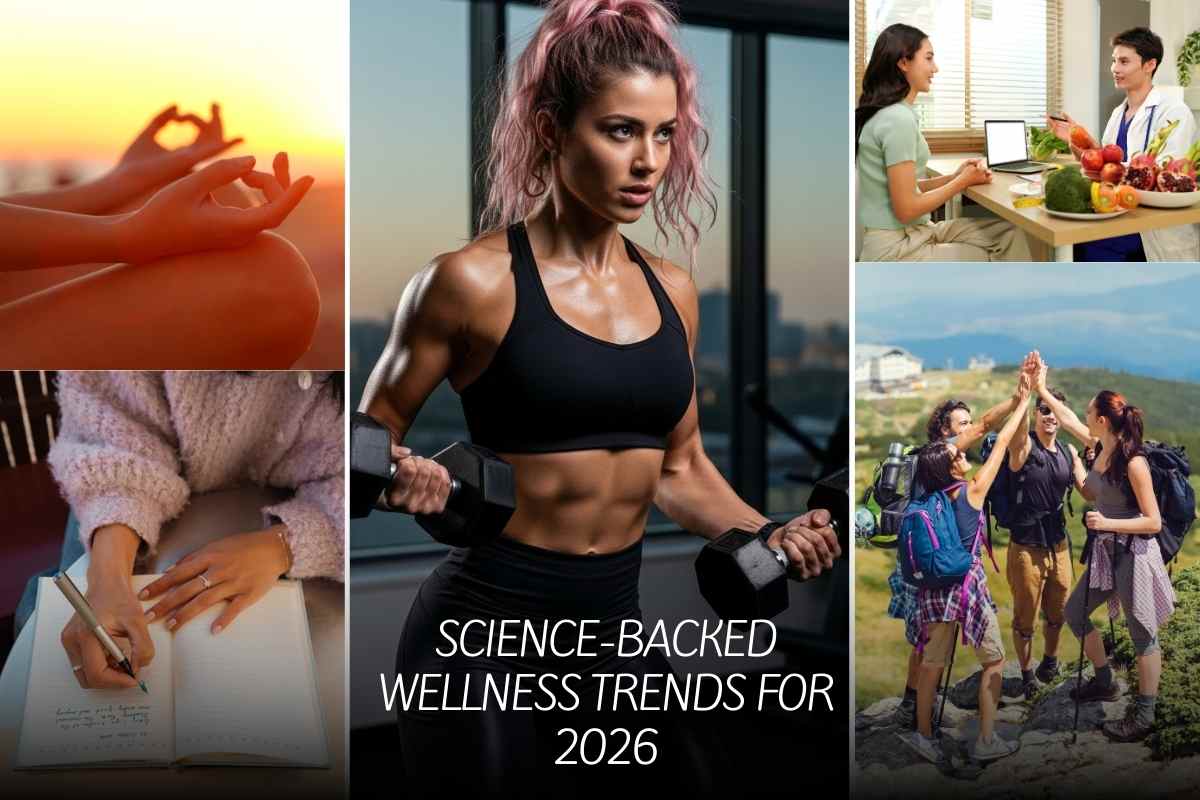
The trends that come and go, the ones that have remained for ages, and those that are still coming. Keeping up with these trends can be overwhelming. It can be soaking in oat baths, or taking colostrum as an adult to boost the immune system, and so many other wellness trends that promise results.
But as we head into 2026, some wellness shifts aren’t just buzz; they’re backed by solid research and human experience. Wellness has gotten smarter, as people want what works and what is fit for their lives.
So let’s dive in.
1. Tech Abstinence: Taking Real Breaks from Screen
We all know that too much screen time is bad. But in 2026, people are intentionally unplugging.
Studies show high screen time, especially social media right before bed, disrupts sleep, increases anxiety, and worsens focus. One research found that reducing screen time improved sleep quality and mental well-being across age groups. When we truly take a break from social media, our attention span increases, the nervous system calms, and the eyes relax. That is why many are making digital detox a priority.
These intentional tech breaks can be:
- Phone-free dinners
- No-screen windows during the day
- Digital sunset rituals: shutting down screens 60–90 minutes before bed.
The point is, tech abstinence reduces reliance on technology and allows you to become more aware of yourself, people around you, and the environment.
Also read: Michael Strahan From NFL Legend to Media Mogul
2. Personalized Nutrition
You’ve probably heard “eat healthy” a million times. But in 2026, it’s less about generic diets or one-size-fits-all but rather personalized meal plans.
What works for your grandma, who is a baby boomer, might not work for you, who is a Gen Z. Our bodies are unique, and health goals are different because of our bodies.
Multiple studies now show that people respond differently to the same foods depending on genetics, microbiome makeup, activity levels, sleep patterns, stress levels, and the list goes on.
So instead of forcing one standard diet, people are shifting toward:
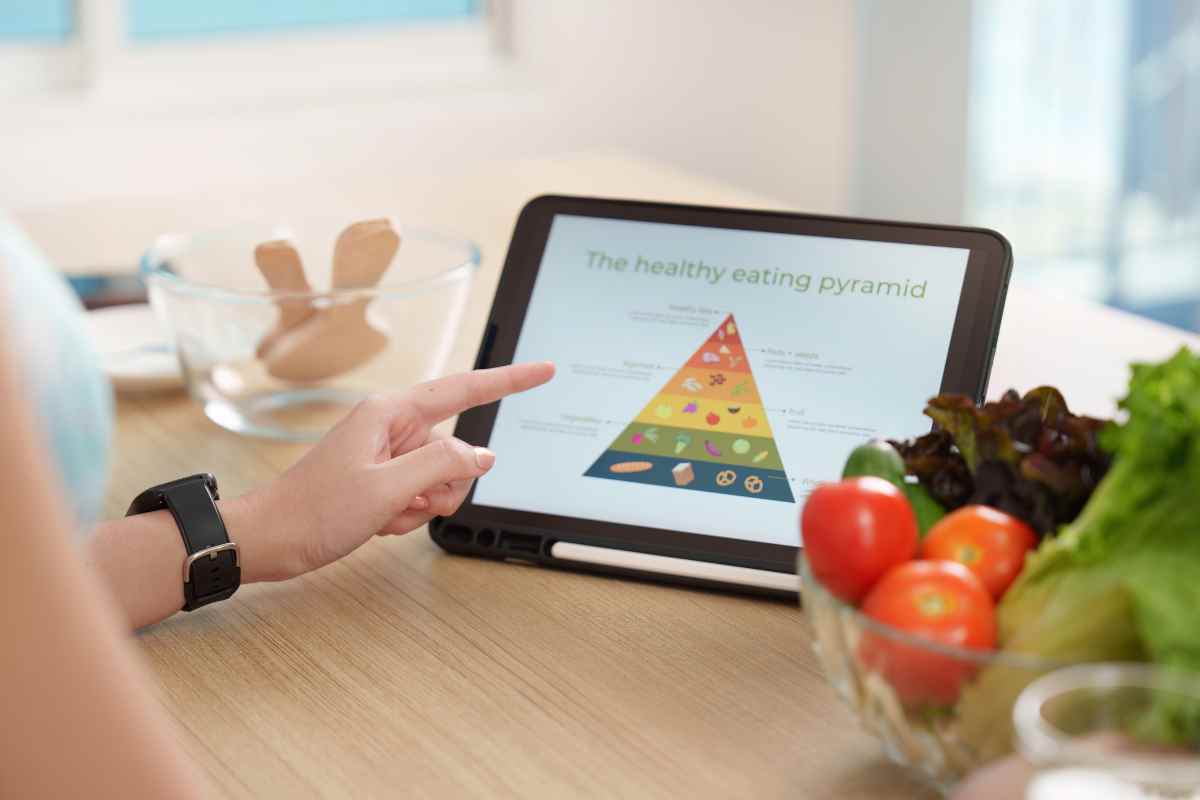
Personalized food plans that:
- Track how you respond to certain foods
- Prioritize whole, nutrient-dense meals
- Don’t ban entire food groups (because restriction is exhausting)
- Focus on what helps you feel good.
With personalized nutrition, many say they experienced better digestion, more stable energy, fewer cravings, and even better mental health.
3. Movement for Joy, Not Just Calories Burned
For years, the fitness world pushed the idea that exercise’s main job was to burn calories or fat. But 2026 is for healthy living, optimal functioning of the body, and still enjoying the exercise while at it.
Research shows that exercise improves mood, boosts brain health, lowers the risk of chronic disease, and even helps with anxiety and depression. That means you don’t have to run a marathon to get the benefits.
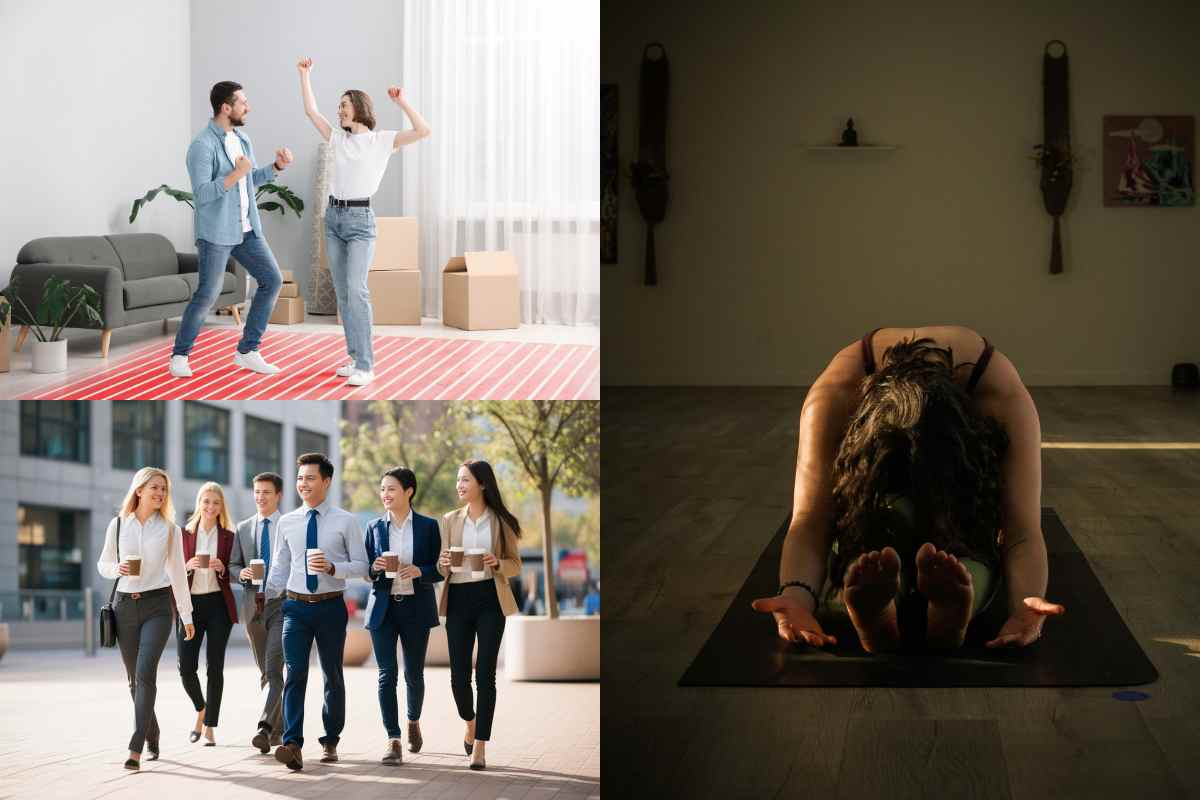
People are choosing movement they love, and that can be:
- Dancing around the living room
- Walking meetings instead of sit-downs
- Strength training to feel strong
- Yin yoga for nervous system relief
This trend is about consistency and doing what you like. When you do this more often, your body will thank you. Plus, if you never like the thought of going to the gym, this trend is for you.
Also read: You’re Already Using Autonomous AI Agents—Here’s How They’re Helping You Every Day
4. Community-Centered Well-Being
Loneliness kills, and people are beginning to realise that. Research consistently links social isolation with increased risk of heart disease, cognitive decline, and earlier mortality.
That is why forming meaningful connections has become a must. In a world where there is hyper-reliance on technology and remote working becoming the norm, a deep connection with people seems to be taking a back seat.
Wellness in 2026 isn’t just about you anymore, but about us. We will see more communities reclaiming their role in well-being.
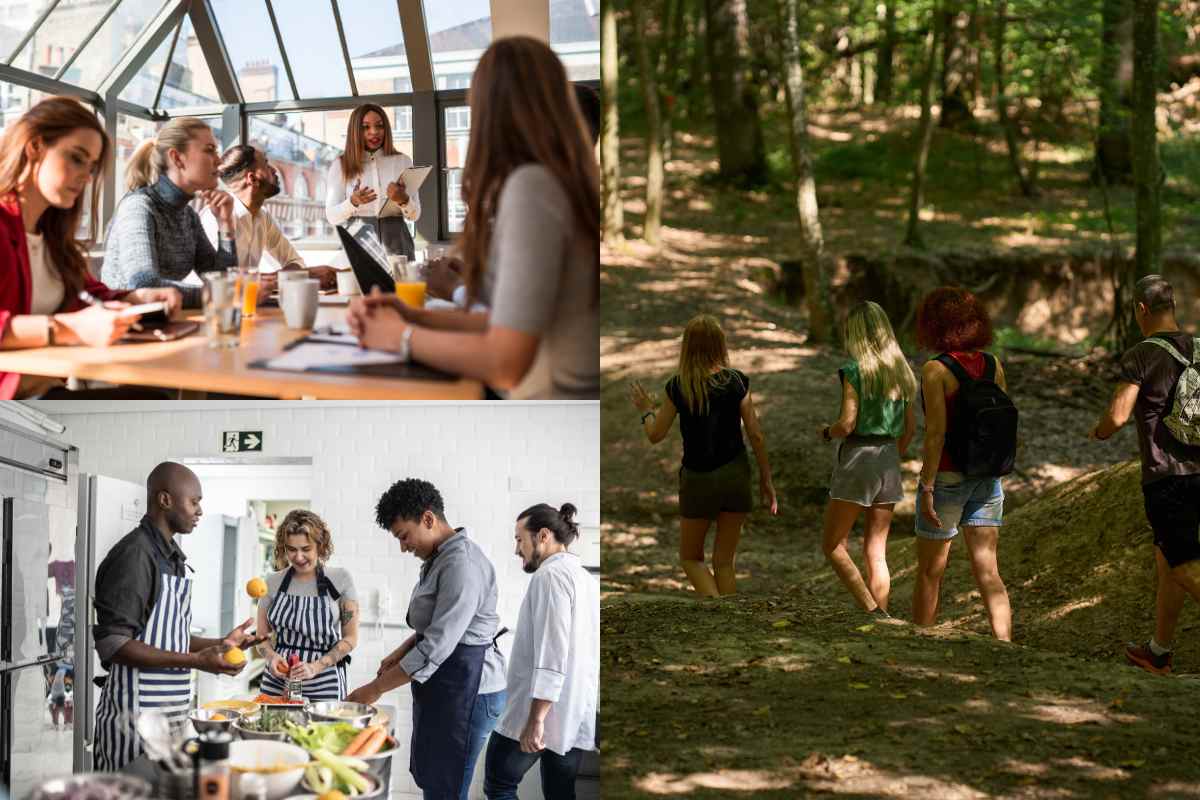
Examples:
- Group walks or hikes
- Cooking circles and shared meals
- Wellness workshops that meet in parks
- Support groups for sleep, stress, or habit change
- Skill exchanges instead of competition
Belonging matters. It’s tied to better immune function, stronger resilience, lower stress, and, of course, gives you more joy.
This trend doesn’t require being an extrovert, either. Even small, consistent connections, like a class you go to weekly, a walk buddy, and many more.
Wellness isn’t a solo journey. And 2026 is leaning into that.
Also read: Billie Eilish’s Net Worth: How a 23-Year-Old Built a $50M Empire
5. Mental Fitness Practices That Actually Work
For too long, wellness focused on bodies. But mental well-being is just as important and shouldn’t be ignored.
And the good news is, whatever you do consistently makes a huge difference.
Things like:
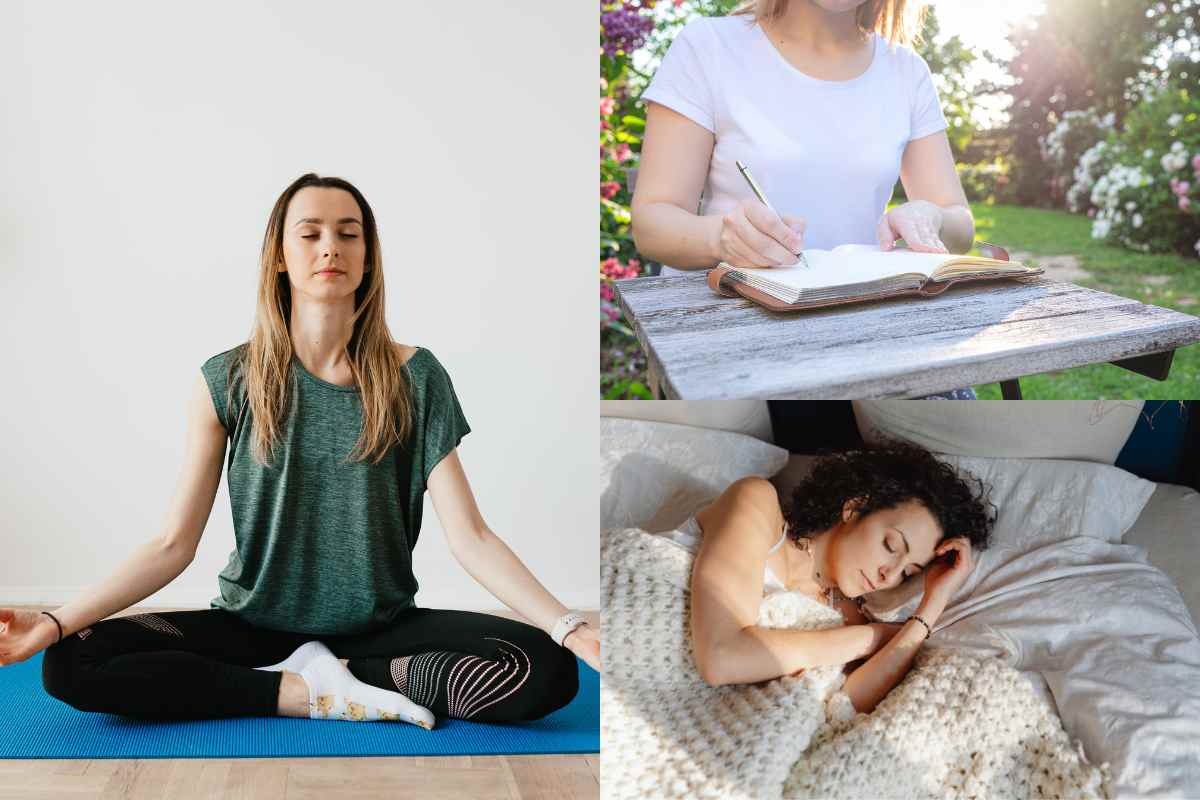
Mindfulness & Meditation
This goes beyond just sitting, relaxation, or self- awareness. It’s a great tool for enhancing physical and mental health. Consistent practice reduces stress, improves attention, and supports emotional health.
Expressive Journaling
Research shows writing about your thoughts and emotions helps regulate mood and process experiences, especially during stressful times.
Sleep Quality Routines
Science backs sleep as foundational, and this is not surprising. Getting a good night’s sleep is one of the most important things you can do for your health. People are learning practical shifts like consistent schedules, environment tweaks, and calming pre-sleep habits that actually work.
However, you don’t need to be too hard on yourself with these practices; you just need to be consistent. Ten minutes daily beats an hour sometimes.
Also read: Does Harrison Ford Really Have Parkinson’s Disease?
Putting It All Together:
Wellness in 2026 isn’t about extreme habits; it’s about enjoyable, meaningful changes that will do well for your overall health.
What you need are intentional small steps that will produce results; you do not need to bombard yourself with these trends at once.
Here’s how you might start:
- Pick one tech-free window a day
- Try a food journal for a week
- Choose a movement you actually enjoy
- Reconnect with someone in your life.
- Add five minutes of quiet or journaling to your morning
Life gets busier, people get more disconnected, and health issues are increasing. Wellness in 2026 is simpler, as many are realizing they do not have to chase trends, nor do they need to overcomplicate things. This year is about wellness that works for you, that is evidence-based, and that makes you feel your best now and beyond.