How Artificial Intelligence Quietly Shapes Your Everyday Life
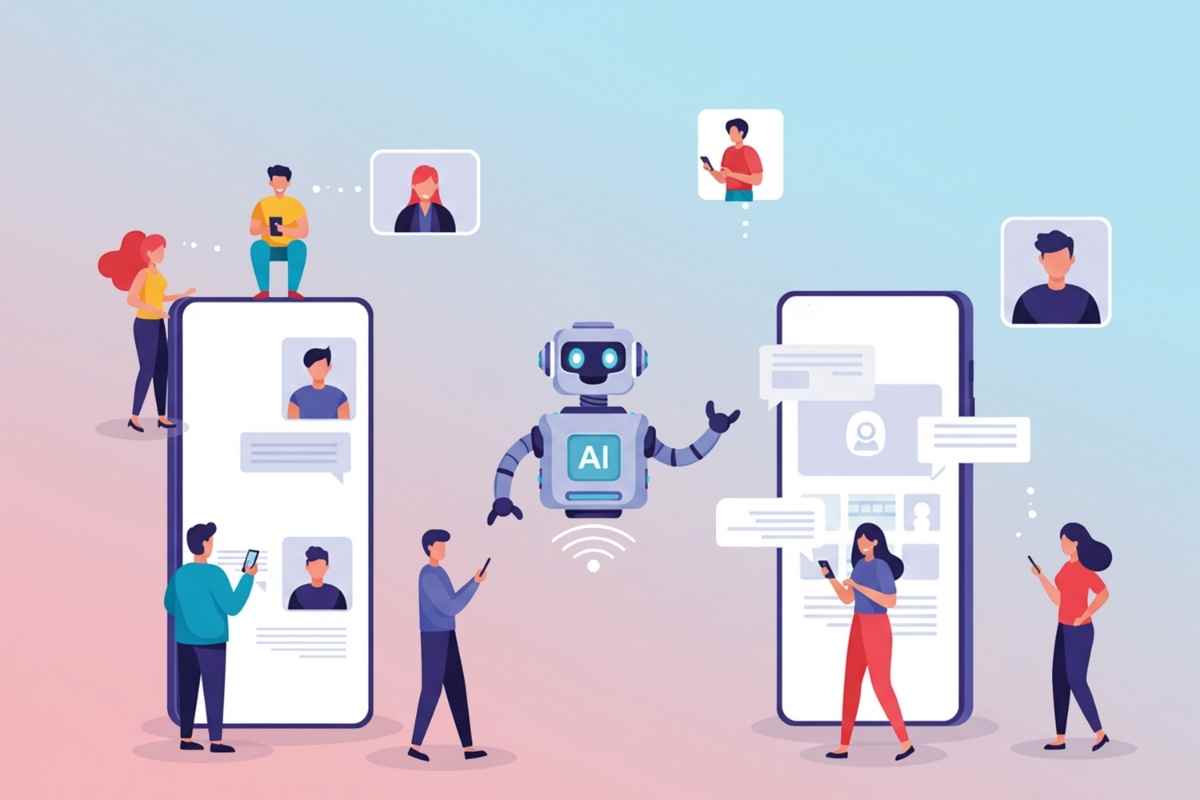
Artificial intelligence sounds like a big, distant concept.
Something is happening in tech companies or research labs, or movies. But the thing is, AI is already part of your everyday life. Quietly. Constantly. Sometimes helpfully. Sometimes awkwardly. We interact with AI daily, sometimes, without even realising it, until you stop and think about it. AI has become an integral part of our lives, driving a lot of what we do, and making itself a part of our daily routines.
Let’s talk about how artificial intelligence actually affects daily life, not in the
You’re Already Using AI
Think about how your day starts.
Your alarm goes off at the “perfect” time. Your phone unlocks with your face. You check the weather before getting dressed.
That’s AI at work.
Your phone learns your habits. It notices patterns. It quietly adjusts things so life feels smoother. Less effort. Less friction.
Even typing a message, when your phone suggests the next word before you finish the sentence, that’s artificial intelligence trying to be helpful.
Sometimes it is. Sometimes it gets it hilariously wrong.
But it’s there. All the time.
Also read: Why Poundland Stores Are Closing and What It Means for Britain’s High Streets.
AI Makes Life Easier, And That’s Not a Small Thing
Let’s be honest for a second.
Life is busy. Messy. Overwhelming.
AI steps in to handle small tasks so we don’t have to think about them. It reminds you of appointments. Suggests the fastest route when traffic is bad. Filters spam emails so you don’t have to.
Those little conveniences matter.
They save time. They reduce stress. They free up mental space.
And yes, we do start relying on them. That’s natural. When something works well, we let it carry some of the load.
How Artificial Intelligence Is Changing the Way We Work
Work has changed. Dramatically.
AI helps with scheduling, organising tasks, analysing information, and even writing first drafts of documents. Jobs that once involved hours of repetitive work can now be done faster.
For many people, that’s a relief. It is less boring work, and it helps focus more on meaningful tasks.
However, some job roles are disappearing, and some are changing so fast that people feel like they’re constantly trying to catch up.
It is important to understand that AI isn’t just taking jobs; it’s reshaping them and also creating new ones.
The biggest shift? Learning can’t stop anymore.
You don’t learn once and coast forever. You adapt. You grow. You keep going.
AI in Healthcare
Healthcare might be one of the most important places AI shows up.
Artificial intelligence helps doctors review scans, notice warning signs early, and manage patient information more efficiently. It helps hospitals run smoothly and reduce mistakes.
For patients, that can mean quicker answers and better care.
But let’s be clear.
AI doesn’t replace doctors. It supports them.
No machine can replace empathy. Or intuition. Or the simple comfort of a human explaining what’s happening in a calm voice.
Technology helps. People still matter most.
Shopping, Ads, and That “How Did It Know?” Feeling
You browse online for shoes once.
Suddenly, those shoes are everywhere.
Ads. Suggestions. Emails. Recommendations.
That’s artificial intelligence tracking what you look at and predicting what you might want next.
Sometimes it’s useful. You discover things you actually need.
Other times, it feels intrusive. Like someone’s watching over your shoulder.
AI also helps stores manage stock, set prices, and deliver items faster. This is why shopping has become smoother and convenient than ever.
However, all these come at a price, and privacy has become a huge part of it.
AI and Entertainment: Why You Can’t Stop Scrolling
Ever planned to watch one video and ended up watching ten?
That’s not a lack of willpower. That’s design.
AI learns what keeps your attention and feeds you more of it. Shows. Videos. Posts. Songs.
It’s why streaming platforms feel like they “get” you. And social media feels endless.
Moreover, artists use AI tools to edit photos, create music, and tell stories faster than ever.
Learning and Education in an AI-Filled World
Education looks different now.
Students can get instant explanations. Lessons can adapt to how someone learns best. Teachers can focus more on guiding and less on paperwork.
But learning still requires effort, curiosity, and even making mistakes.
AI can help explain things, but it shouldn’t think for us.
Real learning happens when we struggle a little and keep going anyway.
The Invisible Decisions AI Helps Make
Some of AI’s biggest impacts are the ones we don’t see.
It helps decide who gets approved for loans. Who gets shortlisted for jobs? How traffic flows in cities.
These systems influence real lives and even determine people’s futures.
That’s why fairness and transparency matter so much. When technology makes decisions, people deserve to understand how and why.
AI should serve people. Not quietly control outcomes.
The Emotional Side of Living With AI
Here’s something we don’t talk about enough.
People are talking to machines more. Chatbots. Virtual assistants. Digital tools that respond instantly.
For some, it’s just convenient.
For others, it fills a gap.
AI doesn’t judge. It doesn’t interrupt. It’s always available.
That can feel comforting in a lonely world.
But it also reminds us of something important.
Technology can support life. It can’t replace a real human connection.
Also read: Why Walking Every Day Might Be the Most Underrated Wellness Habit.
Final Thoughts: Learning to Live With Artificial Intelligence
Artificial intelligence isn’t the enemy.
It’s a tool that is shaped by the people who build it and the choices we make about how to use it.
It can make daily life easier, healthier, and more connected. But only if we stay aware. Ask questions. Stay human.
AI is already part of our lives.
The real question is whether we live with it consciously or let it quietly decide everything for us.