Why Poundland Stores Are Closing and What It Means for Britain’s High Streets
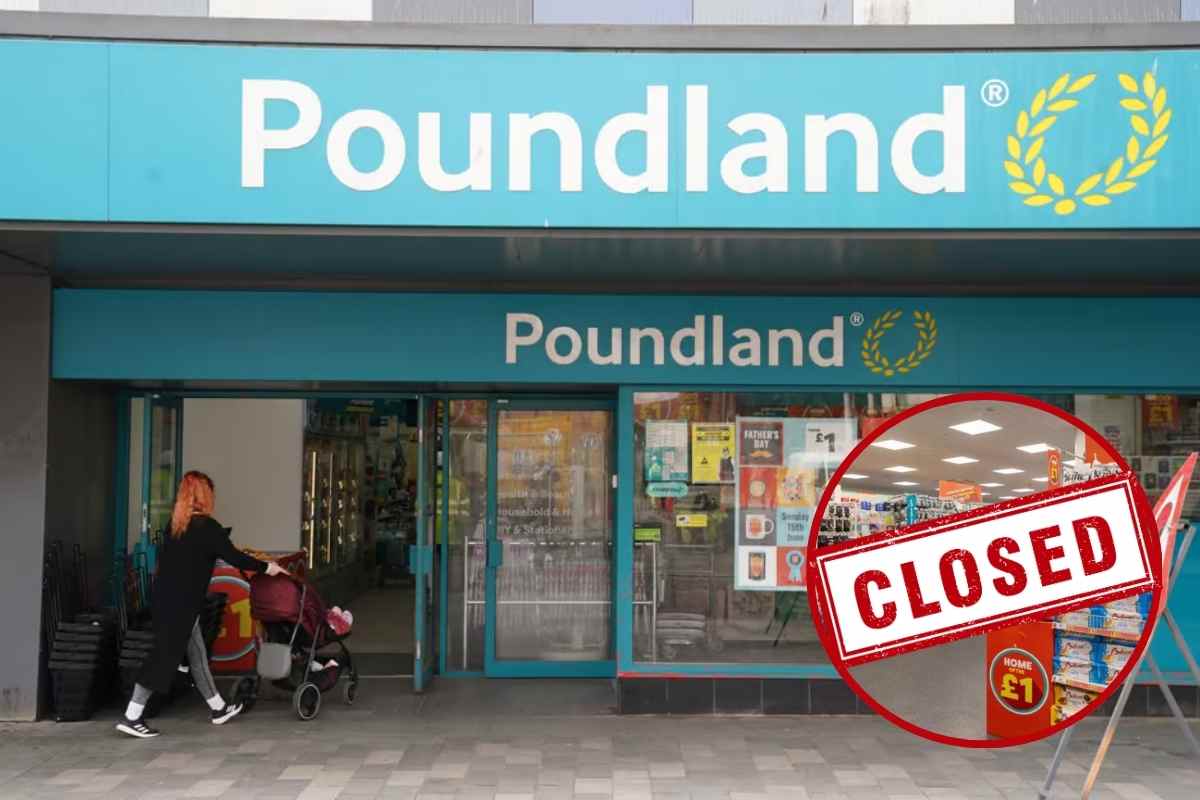
One of Britain’s most familiar high-street names, the discount retailer that once proudly sold everything for, well, a pound, is closing dozens of stores. And people are feeling it.
Let’s examine what’s happening and its impact.
A Retail Staple Facing Tough Times
Poundland was founded in 1990 with a simple idea: offering low-priced goods to everyday shoppers. For years, it thrived, expanding to more than 800 stores across the UK and Ireland, employing about 16,000 people.
But different issues arise from rising costs, stiff competition from supermarkets, hard-discount rivals, to a shift in shopping habits has taken its toll. One could feel the strain long before these announcements hit. It’s the kind of thing people whisper about at bus stops and in café queues: “Have you noticed less stuff in Poundland?” “Yeah, and those prices aren’t always a quid anymore…”
Then, in June 2025, things turned very real.
Also read: Why Walking Every Day Might Be the Most Underrated Wellness Habit
The £1 Sale is Not What It Sounds Like
In one of the more surreal business stories of the year, Poundland was sold for just £1. Yep, one quid.
The buyer was Gordon Brothers, a US investment company known for taking on struggling brands and trying to turn them around. Alongside that price tag came a financial lifeline: up to £80 million in financing to support a turnaround plan.
The idea wasn’t to keep everything exactly as it was. Far from it. The plan was clear: shake things up so the business could survive.
And that is what leads us right to the closures.
Poundland Store Closures Restructuring Plan: What’s Happening, and Where
Poundland has been naming stores that will close for good, and it has dozens of them.
Here’s what we know:
- In the final months of 2025 alone, more than 30 branches were set to close.
- Then, into early 2026, another wave of closures was confirmed, involving around 14 more shops.
- All told, the broader restructuring plan aims to reduce the total store count from around 800 to somewhere between 650 and 700.
That’s a lot of familiar signage disappearing from high streets up and down Britain.
Liverpool. Yeovil. Hammersmith. Northampton. These places won’t see their Poundland again. At least not in the same way.
And it’s not just shops. Distribution centres, including those handling frozen and online goods, are also being shut or consolidated.
Management Says It’s A Necessary Step
From Poundland’s leadership, the message is sobering but straightforward: what’s happening now hurts, but it’s better than letting the whole thing collapse.
Managing Director Barry Williams has been consistent in his messaging. In statements about the restructuring plan, he said the company’s performance “fell short of our high standards,” adding that action was needed to return the business to growth.
And while that might sound like corporate speak, there’s genuine weight to it. Without the restructuring, which was approved by the High Court in England, the retailer could have run out of money entirely. Lawyers even warned the court that Poundland might have been out of cash within days without the plan.
That’s not minor. That’s existential.
Job Losses and Community Impact
Here’s where it gets personal.
Behind every store closure is a person. And that’s a story you feel in staff rooms, on local Facebook groups, and on the lips of shoppers who’ve popped in their whole lives.
Early estimates suggested that between 1,000 and 2,000 jobs could be at risk because of the closures and other structural changes.
Usdaw, the retail workers’ union, noted that Poundland has told them it is seeking permission to close 68 stores that it believes “have no route to a return to profitability.”
Imagine that for a second: a branch that’s been part of a town’s daily rhythm, suddenly flagged as “no longer viable.”
One person, who’s been sharing thoughts online, summed it up in a way that really sticks: “Poundland has been a steadfast part of our community here … affordable essentials to all of us.” That’s the kind of voice you hear when a local shop shutters. Not numbers. Not statistics. Real feeling.
Changing How Poundland Works
Closures aren’t the only changes here.
The restructuring plan includes a rethink of Poundland’s offerings and its digital presence:
- The retailer announced it will end online sales and turn its website into a browse-only experience.
- Its Perks loyalty app is being retired, with vouchers still redeemable in-store for a limited period.
- Grocery ranges are being refocused, dropping frozen food and putting more emphasis on simpler chilled essentials.
- Pricing is being simplified around core £1, £2 and £3 price points.
So the Poundland experience customers knew was shifting and not just in terms of location.
What Shoppers Are Saying
There’s a real mix of reactions.
Some loyal customers are sad. Others felt it was coming for a while. Still others honestly think the brand lost its way over the years anyway.
One commenter online put it like this: “The one in town isn’t closing yet, but they’ve cleared out the freezer aisle … it’s depressing.”
Another chimed in: “It’s not really good value anymore like it used to be.”
That’s the honest side of the story, and from people feeling the heat, the plan.
Looking Ahead
So what does the future hold?
The aim of Gordon Brothers, Pepco (which still provides financing under the restructuring deal) and Poundland’s leadership is a smaller but more sustainable business that can survive in a brutal retail landscape.
But surviving isn’t the same as thriving. The brand will be leaner. It will be different. And many high streets will look a little emptier because of it.
For those towns losing their shops? There’s an undeniable sense of loss. A tiny part of the everyday routine chipped away.
For the retail world at large? It’s another sign of how tough things have become, even for names that once seemed untouchable.
Also read: Caleb James Goddard and the Choice to Live Beyond Hollywood
Final Thought
There’s no way to sugarcoat it: this isn’t just business news. It’s community news. High streets matter to people. Jobs matter. Familiar signs matter.
And when a brand like Poundland, which was once a symbol of relentless low prices, starts closing dozens of doors, well, that’s a story worth more than just a graph or chart.
It’s a story about change. About trying to survive. And about how even familiar old friends can struggle in a world that moves fast.