Athletes Who Became Powerful Entrepreneurs After Sports
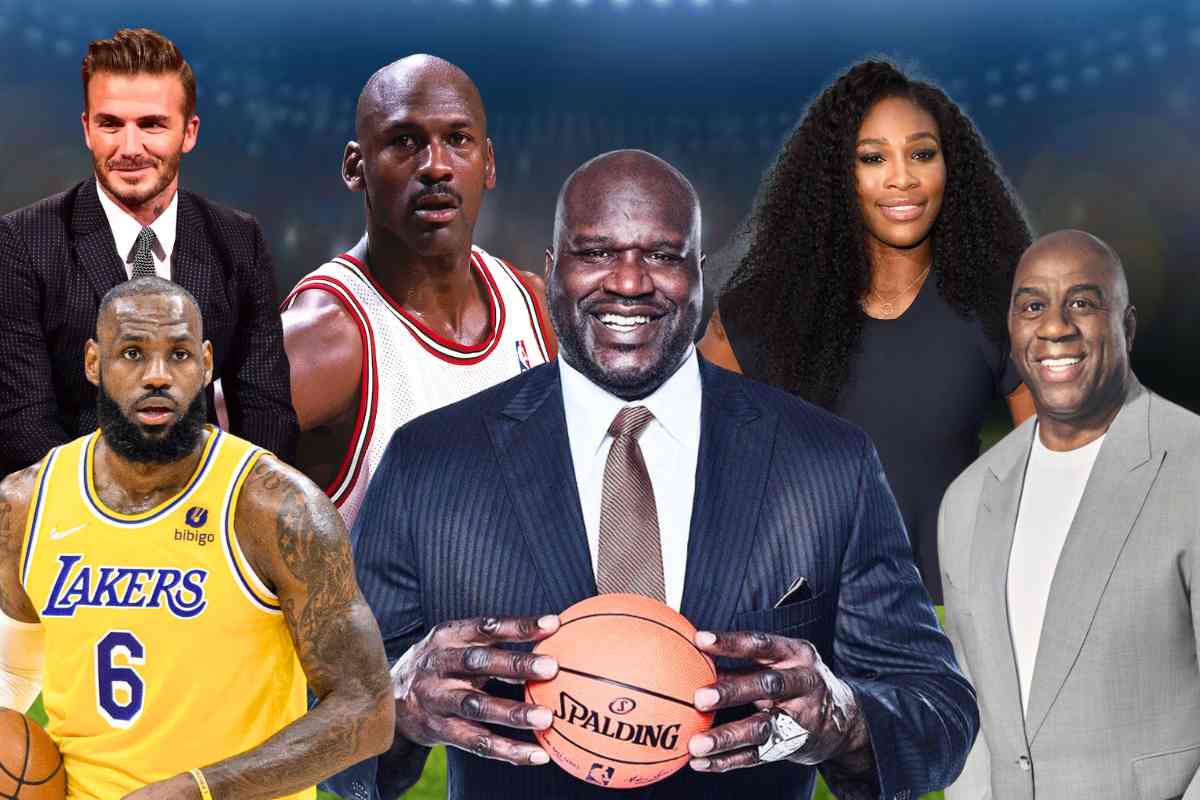
Most people think an athlete’s story ends when the whistle blows for the last time.
Retirement, highlights replayed on TV, maybe a commentary job if they’re lucky. But for some athletes, that’s only the beginning.
The thing is, the same discipline that builds champions can also build empires.
You don’t train your body for 20 years, wake up before dawn, push through pain, failure, and public pressure, and suddenly become lazy or clueless off the field. That fire doesn’t just disappear; it redirects.
Let’s talk about athletes who took that fire and turned it into serious business success.
And no, not the “they invested quietly” stories.
I mean the ones who built things.
Michael Jordan — Turning Greatness into a Global Brand
Let’s start with the obvious one.
Michael Jordan didn’t just dominate basketball. He redefined what an athlete could become.
When Nike signed Jordan in 1984, they expected modest success. What they got instead was the Air Jordan brand, now worth billions of dollars on its own.
Jordan once said,
“I’ve failed over and over and over again in my life. And that is why I succeed.”
That mindset didn’t stop when he left the court.
Jordan became the majority owner of the Charlotte Hornets, which was now sold at a massive profit. He built long-term brand equity and became the first athlete billionaire largely through ownership, not just endorsements.
That’s key. He didn’t just take checks. He built leverage.
Also read: Why Is the Cost of Living So High in the UK? The Real Reasons Explained Simply
Serena Williams — Power and Smart Money
Serena Williams is one of the greatest athletes of all time. But quietly, intentionally, she was also preparing for life after tennis.
Through Serena Ventures, she’s invested in over 60 startups, many led by women and people of colour. Tech companies. Wellness brands. Fintech. Education.
She once shared,
“I love learning about new businesses and investing in companies that align with my values.
Because Serena didn’t chase trends. She chased alignment.
And she didn’t wait until retirement to start. She built while she was still winning Grand Slams.
That’s a lesson right there: The best transitions are prepared early.
LeBron James — More Than an Athlete
LeBron has been saying it for years:
“I’m more than an athlete.”
And he meant it.
LeBron co-founded SpringHill Company, a media and entertainment powerhouse valued at over $700 million, telling stories that reflect culture, struggle, and triumph.
Movies. Documentaries. Sports storytelling.
He also invested early in Blaze Pizza, turning a small stake into a multi-million-dollar return, and holds ownership in Liverpool FC.
What stands out about LeBron isn’t just the money, it’s the intentionality.
He understood that his voice, story, and influence were assets, not just his jump shot.
Magic Johnson — Building Where It Was Ignored
Magic Johnson’s business story is one of vision and courage.
After retiring early due to HIV, many people expected his influence to fade; instead, he went to work.
Magic Johnson Enterprises focused on bringing businesses from movie theatres, Starbucks franchises, to real estate into underserved communities that corporate America had ignored.
He once said,
“Success isn’t about how much money you make. It’s about the difference you make in people’s lives.”
By the time he sold parts of his empire, it was valued at over a billion dollars. He didn’t just build wealth. He built access.
David Beckham — Turning Style into Strategy
David Beckham understood something early: Image is currency, if you manage it well.
He turned football fame into fashion, fragrance, endorsements, and finally ownership.
Beckham is co-owner of Inter Miami CF, helping bring global attention (and Messi) to Major League Soccer in the U.S.
But here’s the interesting part:
Beckham wasn’t the loudest businessman. He wasn’t flashy with business talk.
He just made patient, strategic moves.
Sometimes the smartest entrepreneurs don’t shout. They position.
Shaquille O’Neal — Curiosity as a Superpower
Shaq is fun. Loud. Entertaining.
But behind the jokes is a sharp business mind.
Shaq owns or has owned stakes in Google, Apple, Ring, dozens of franchises (Five Guys, Auntie Anne’s, Papa John’s), and real estate.
He once said something simple but powerful:
“I don’t want to be rich. I want to be wealthy.”
Shaq studies before he invests. He asks questions. He listens.
And here’s the part people love: he once turned down endorsements early in his career because he didn’t believe in the products.
That takes confidence.
What These Athletes Have in Common (It’s Not Fame)
When it comes to these athletes, it’s easy to say, “Well, they were famous.”
True.
But fame alone doesn’t build lasting businesses. We’ve seen plenty of athletes lose everything.
What separates the successful ones?
- Discipline: They already knew how to commit long-term
- Coachability: They listened, learned, and asked questions
- Patience: no overnight success mindset
- Ownership thinking: equity over quick cash
- Identity beyond sport: they weren’t lost when the game ended
And maybe the biggest one is that they believed their value didn’t expire.
Also read: How to Reset Your Life at the Start of a New Year (Without Pressure or Burnout)
Final Thought… For Anyone Watching from the Sidelines
You don’t need to be an athlete to learn from these stories.
Because the lesson isn’t about basketball or tennis or football.
It’s about transferable skills.
If you’ve been disciplined in one area of life, if you’ve shown up when it was hard, if you’ve trained yourself to push through discomfort, that strength can be redirected. Who knows? You can be one of the powerful entrepreneurs who will shake.