EU Rolls Out New Rules For Low-Carbon Hydrogen
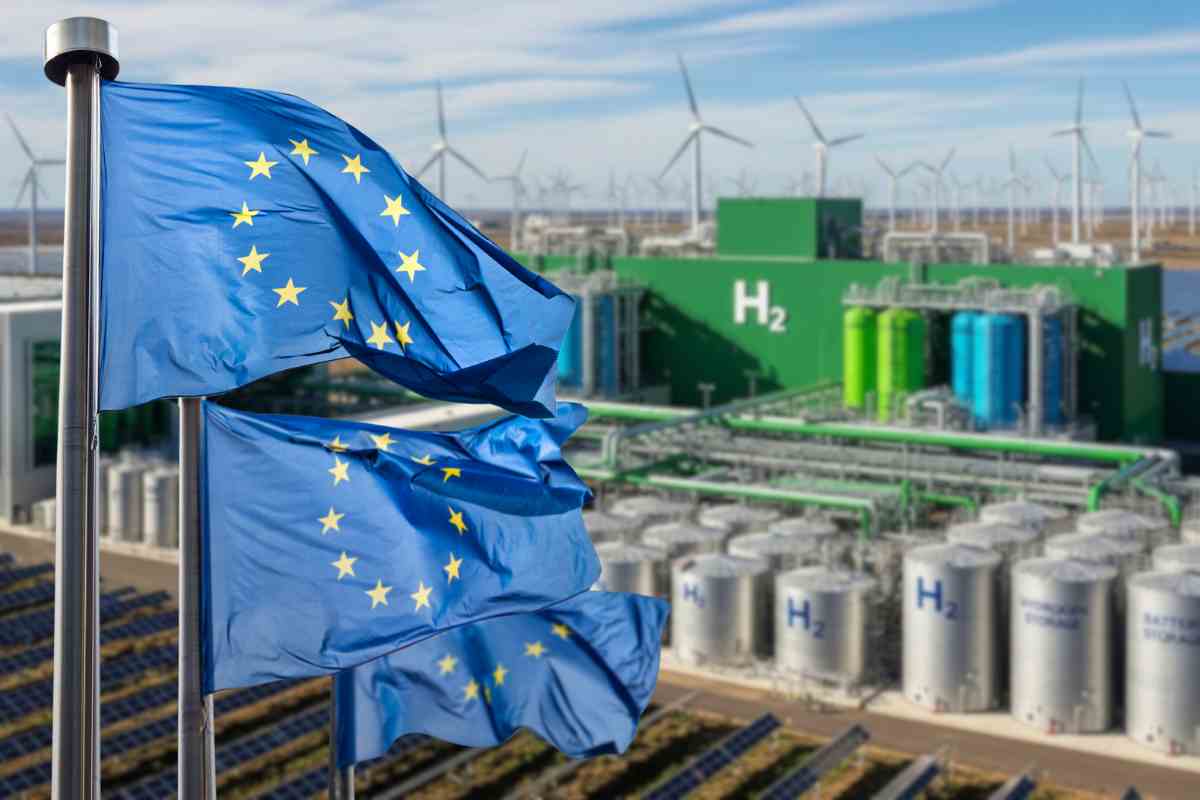
On 21 November 2025, the EU’s Delegated Act on low-carbon hydrogen was officially published in the Official Journal of the EU after approval by both the European Parliament and the Council. That means it will soon be law and start applying about 20 days after publication, which is late 2025 or early 2026.
That Delegated Act complements earlier hydrogen rules in Europe and finally fills a regulatory gap that has existed for years: how exactly we measure whether hydrogen is really low-carbon. Without that methodology, investors and producers were left guessing. Not anymore.
So, What is in The New Delegated Act?
Here’s what it entails:
1) It sets a methodology for calculating greenhouse gas emissions
The core of this is: Europe now has legally binding instructions on how to figure out the lifecycle emissions of hydrogen from feedstock and energy inputs to production, transport, compression and more. It’s not about vague claims anymore. You must count everything.
2) It sets a 70% GHG reduction threshold
To qualify as low-carbon hydrogen in the EU, a hydrogen production pathway has to show at least 70% fewer greenhouse gas emissions compared to traditional fossil fuels like unabated natural gas. That’s the legal benchmark.
3) It applies EU-wide, including imports
These rules don’t just apply to hydrogen made in Europe. They also apply to hydrogen or hydrogen-based fuels imported into the EU market. Same standards, same scrutiny.
4) It includes default emissions values
The methodology includes tables of standard emission values for materials and energy sources (like electricity and natural gas). These let you calculate things properly rather than guessing.
5) Nuclear hydrogen is not yet fully included
Hydrogen made with electricity from nuclear power isn’t recognized as low-carbon yet. The rule says the Commission will assess that later by mid-2028 after consultations. This has upset some nuclear proponents in countries like France and Poland.
6) Methane emissions are counted explicitly
This matters. Emissions from methane leaks in natural-gas production and transport are part of the calculation. This can make it harder for “blue” hydrogen (made from gas with carbon capture) to pass the threshold unless leakage is tightly controlled.
7) Certification follows the same framework as renewable hydrogen
The Delegated Act links into existing certification frameworks, the ones already used for renewable hydrogen (RFNBOs). Producers can use recognised certification schemes to prove compliance.
Also read: Michael Saylor Bitcoin: What’s His Take Amidst the Market Plunge?
Quick Refresher: Renewable vs Low-Carbon Hydrogen
This isn’t the first EU hydrogen rule; there were earlier ones, and they’re still in force:
Renewable hydrogen (RFNBOs)
Defined by rules from 2023. To be “renewable”:
- The electricity powering electrolysers must come from new renewable sources (additionality).
- It must be correlated in time and place with renewable generation so it doesn’t pull power from fossils.
- This was designed to prevent double-counting.
Low-carbon hydrogen (the new 2025 rule)
Broader than just renewable hydrogen. It includes hydrogen made from natural gas with carbon capture, electrolysis powered by low-carbon grid electricity, or other technologies as long as they hit the 70% emissions cut.
Hence, you can have hydrogen that’s low-carbon yet not renewable, but it has to prove its emissions performance. That’s the point of this update.
Why This Matters
As an investor, how do you decide where to put money? Now there are clear rules. Projects can be evaluated consistently. Banks and governments can quantify carbon savings. Buyers can choose with confidence. That’s a huge shift.
These rules also affect how hydrogen plays into Europe’s climate goals:
- More certainty for investors and manufacturers.
- A level playing field between EU and non-EU producers.
- Stronger climate integrity so hydrogen doesn’t become just another fossil-fueled marketing claim.
What’s Next in The Rule Cycle
Because this is a Delegated Act, there’s a scrutiny period by the European Parliament and the Council before it becomes law. In fact, that period was extended, that’s why the final adoption came in November 2025 instead of earlier in the year. It will enter into force shortly after its publication in the Official Journal.
Looking forward:
- By 2028: Updates could revise methane emission factors and perhaps include nuclear in the methodology.
- Member States must implement national measures (like reporting and certification systems) by mid-2026/2027.
Also read: How Josh Radnor Built a $30 Million Net Worth Beyond Sitcom Fame
In Simple Terms
Let’s wrap it up in simple language:
- The EU just finally said how you prove hydrogen is “low-carbon.”
- You can’t just say “I use less CO₂.” You must prove it with numbers, lifecycle accounting, and strict methods.
- The new rule sets a big milestone, hydrogen has to be at least 70% cleaner than fossil fuel hydrogen to count.
- It applies inside the EU and to imports. Europe wants real reductions not vague claims.
- Renewable hydrogen still has its own set of rules (from 2023) focused on renewable electrons.
- This is part of a bigger EU hydrogen market and certification regime now taking shape.
As DG-ENER, Ruud Kempener, the European Commission’s Deputy Head of Unit, Energy Security and Safety, put it on LinkedIn, these new rules would allow Europe to move with “confidence.”